
1 hr
Hollywood Gun Range Shooting Package
- Entry ticket
- Mobile voucher
- Valid same day
- Free cancellation
Budapest Shooting Range WW2 — Soviet & Cold War Firearms
Fire Kalashnikovs and TT-33 pistols, preserved relics from mid-century arsenals.
Compare fares, pick the fit — all bookings are mobile-voucher and eligible for free cancellation where shown.
1 hr
2 hr
1 hr
Selecting the right budapest shooting range ww2 experience depends on your comfort with firearm variety and the intensity of your session. These budapest shooting range ww2 tours provide structured access to our indoor firing line, ensuring safety and professional instruction for all participants.
| Adrenaline Entry-level focus |
Top pick Rookie Balanced historical variety |
Top Guns Extended arsenal | |
|---|---|---|---|
| Package Type | 6 weapons | 7 weapons | 10 weapons |
| Firearm Count | 44 shots | 52 shots | 57 shots |
| Session Duration | Standard safety-briefed | Standard safety-briefed | Expanded marksmanship focus |
| Historical Focus | Modern-centric | Classic mix | Comprehensive heavy-caliber |
| See tickets & prices |
Verdict: First-time visitors should select our Rookie budapest shooting range ww2 tickets for the best balance of historical variety and hands-on practice.
Worth it for history enthusiasts and firearm collectors
The budapest shooting range ww2 experience delivers authentic value if you prioritize historical firearms over modern sport shooting. Packages range from compact 4-firearm sessions to comprehensive 10-firearm experiences, with prices scaling by weapon count and ammunition allotment. The Hollywood Gun Range Shooting Package and Downtown Budapest Shooting Range offerings center on period-correct military rifles and sidearms—MP40s, Mosin-Nagants, and Tokarevs—that you won't fire at conventional ranges. Free entry means you pay only for what you shoot, making Budapest shooting range ww2 tours transparent and customizable. Safety briefings are thorough, and English-speaking instructors contextualize each weapon's combat history. The outdoor option includes hotel pickup, eliminating transport friction. However, ammunition costs accumulate quickly with automatic weapons, and novices may find the recoil of surplus military hardware intimidating. If you want Instagram-friendly novelty over marksmanship development, shorter packages suffice. Serious collectors justify the premium 10-firearm sessions, which include rare Soviet-bloc pieces. The experience excels at what it promises—live-fire access to WW2 arsenal—without inflating historical claims or padding time with filler activities.
Bottom line: If firing genuine Eastern Front hardware justifies premium over recreational plinking, budapest shooting range ww2 tickets deliver measurable historical immersion without gimmicks.
They complement each other; most visitors who do both call the Budapest shooting range ww2-focused experience the more accessible central option, while Celeritas is favored for its vast selection of heavy firearms. Many enthusiasts book their budapest shooting range ww2 tickets based on specific historical weapon availability.
|
Top pick Budapest Shooting Range |
Celeritas Shooting Club | |
|---|---|---|
| Location | City center (District VII) | |
| Primary focus | Thematic & historical packages | |
| Indoor/Outdoor | Indoor only | |
| Experience type | Guided skill session | |
| Max group size | Private/Small groups | |
| Pricing structure | Package-based (0 HUF entry) | |
| See tickets & prices |
Verdict: Choose Budapest Shooting Range for a convenient, centrally located budapest shooting range ww2 tour, or head to Celeritas for an extensive, technical-focused budapest shooting range ww2 tours experience that includes diverse outdoor shooting options.
Hand-picked experiences loved by thousands of travelers
1.5 hours
Free Cancellation
Fire iconic weapons including AK47 and M4 Carbine at a premium indoor range in central Budapest
2 hours
Free Cancellation
Fire legendary pistols, machine guns and assault rifles under expert guidance at a Budapest gun range
1 hour 30 minutes
Free Cancellation
Journey through the castle district and hidden wartime bunkers that sheltered thousands during Budapest's darkest winter
1 hour
Free Cancellation
Fire six iconic Eastern Bloc firearms at an indoor range with expert instruction and no license required.
1 hour
Free Cancellation
Fire authentic weapons at an indoor range with your partner. No prior experience required.
1 hour
Free Cancellation
Fire eight military-grade weapons including AK-47 and MP5 in a supervised indoor range. No permit required.
1 hour
Free Cancellation
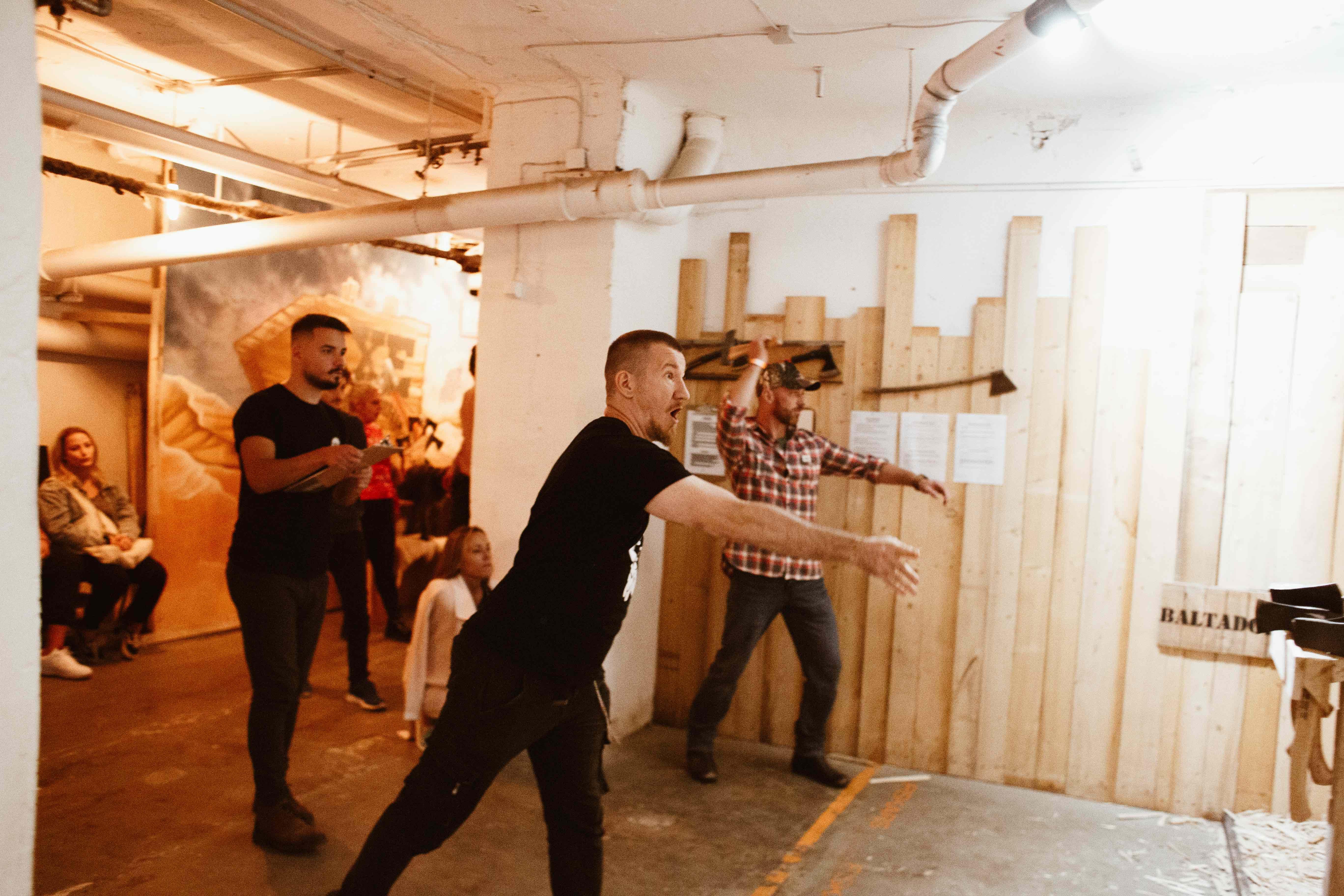
Master the art of axe throwing in a thrilling 60-minute session with expert guidance and competitive challenges
45 minutes
Free Cancellation
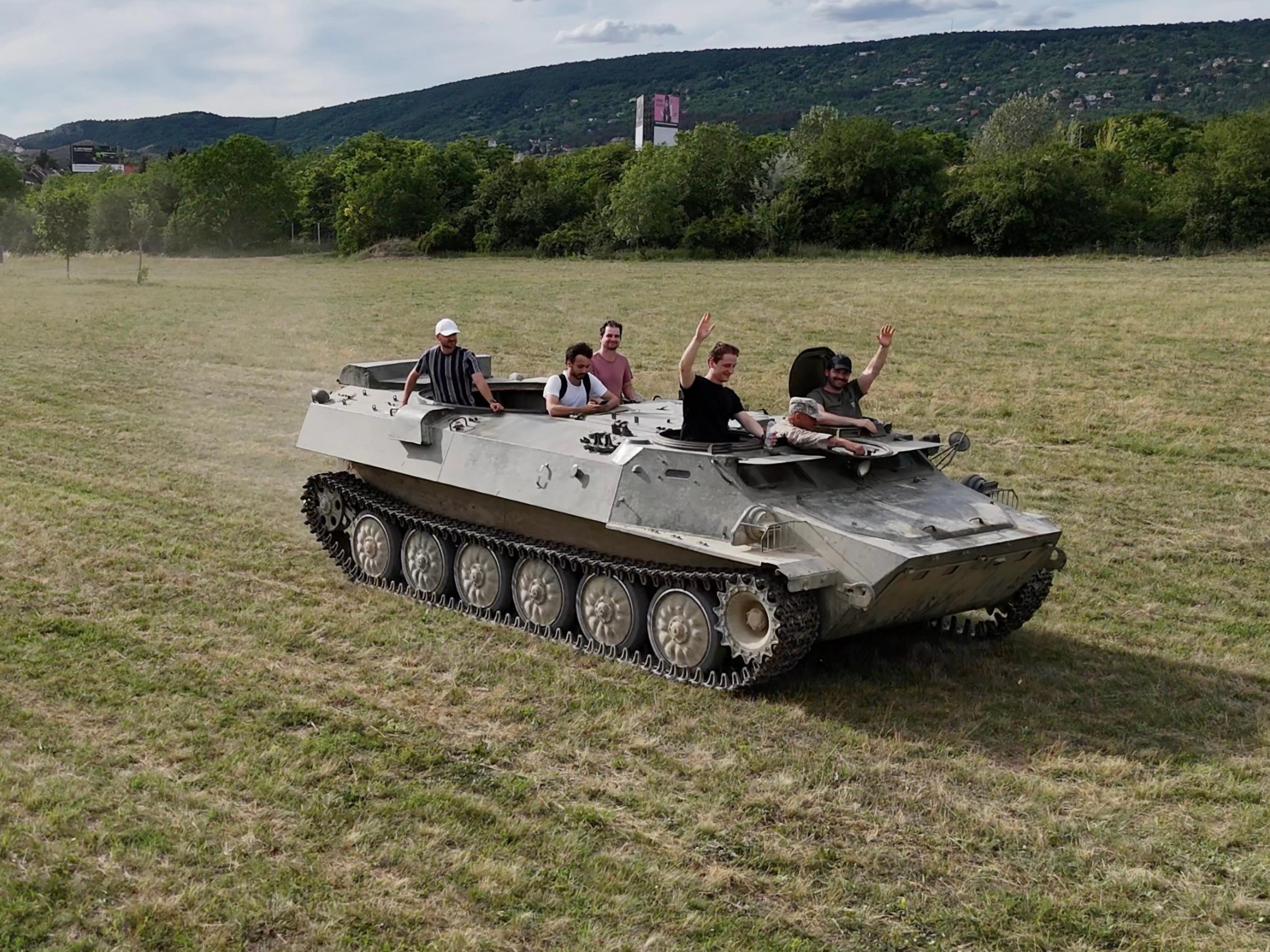
Command a Soviet-era armored vehicle and experience an extreme off-road ride in military machines
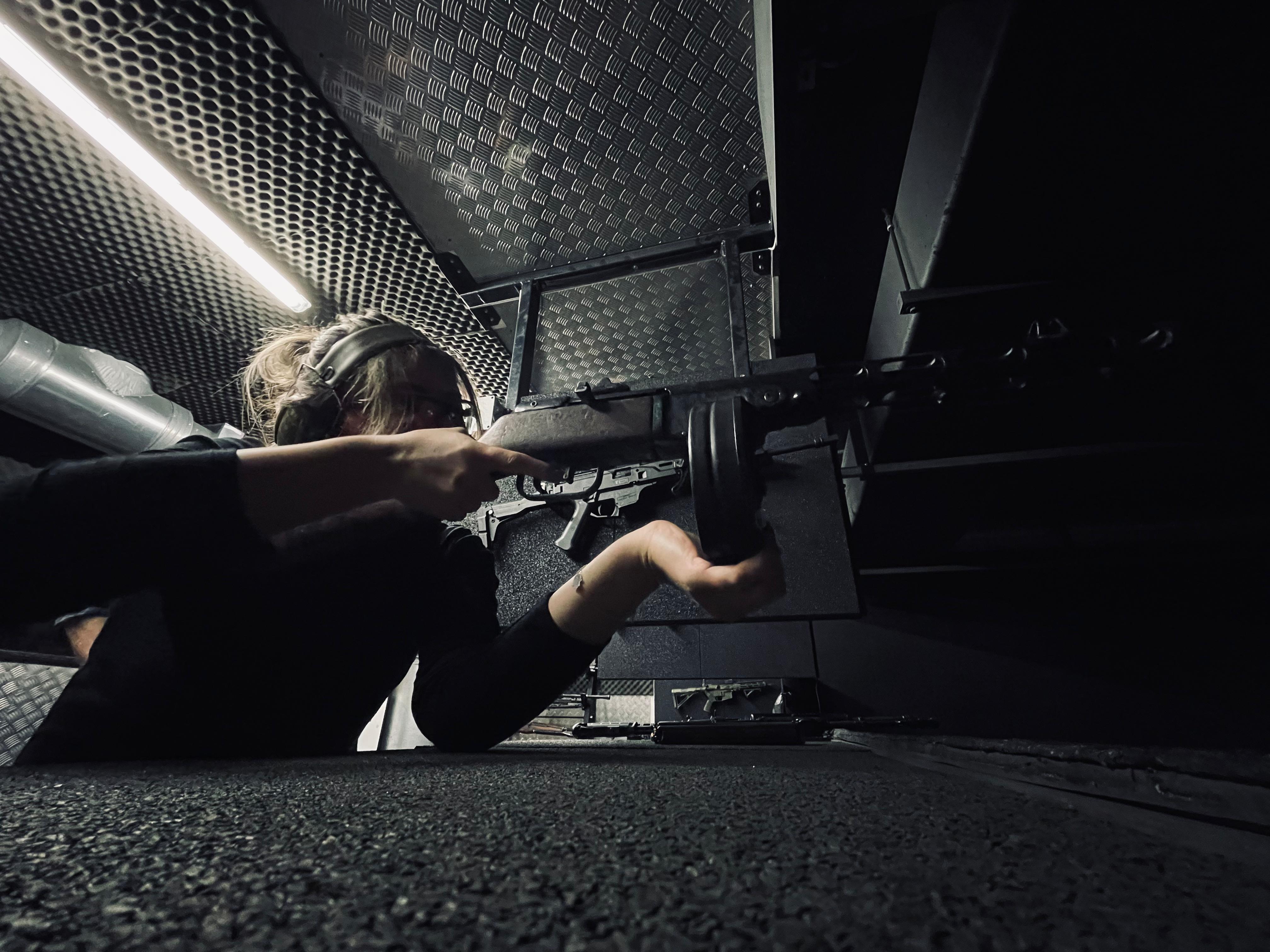
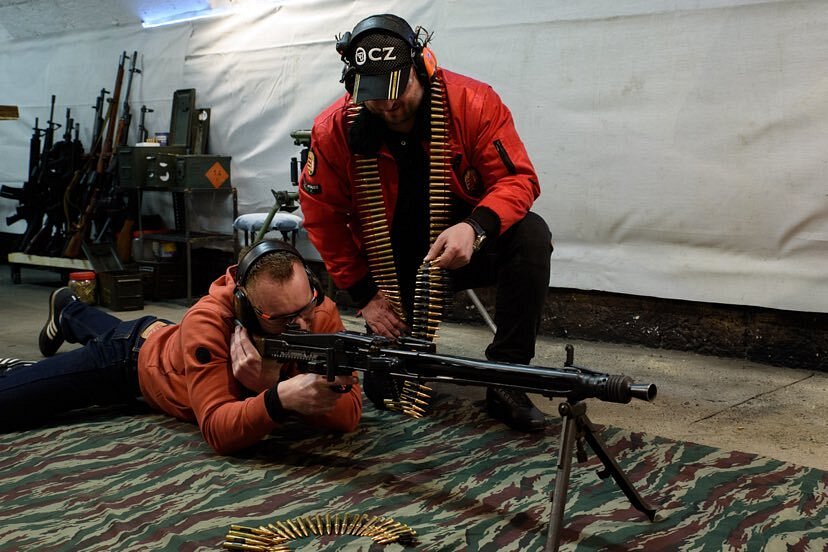
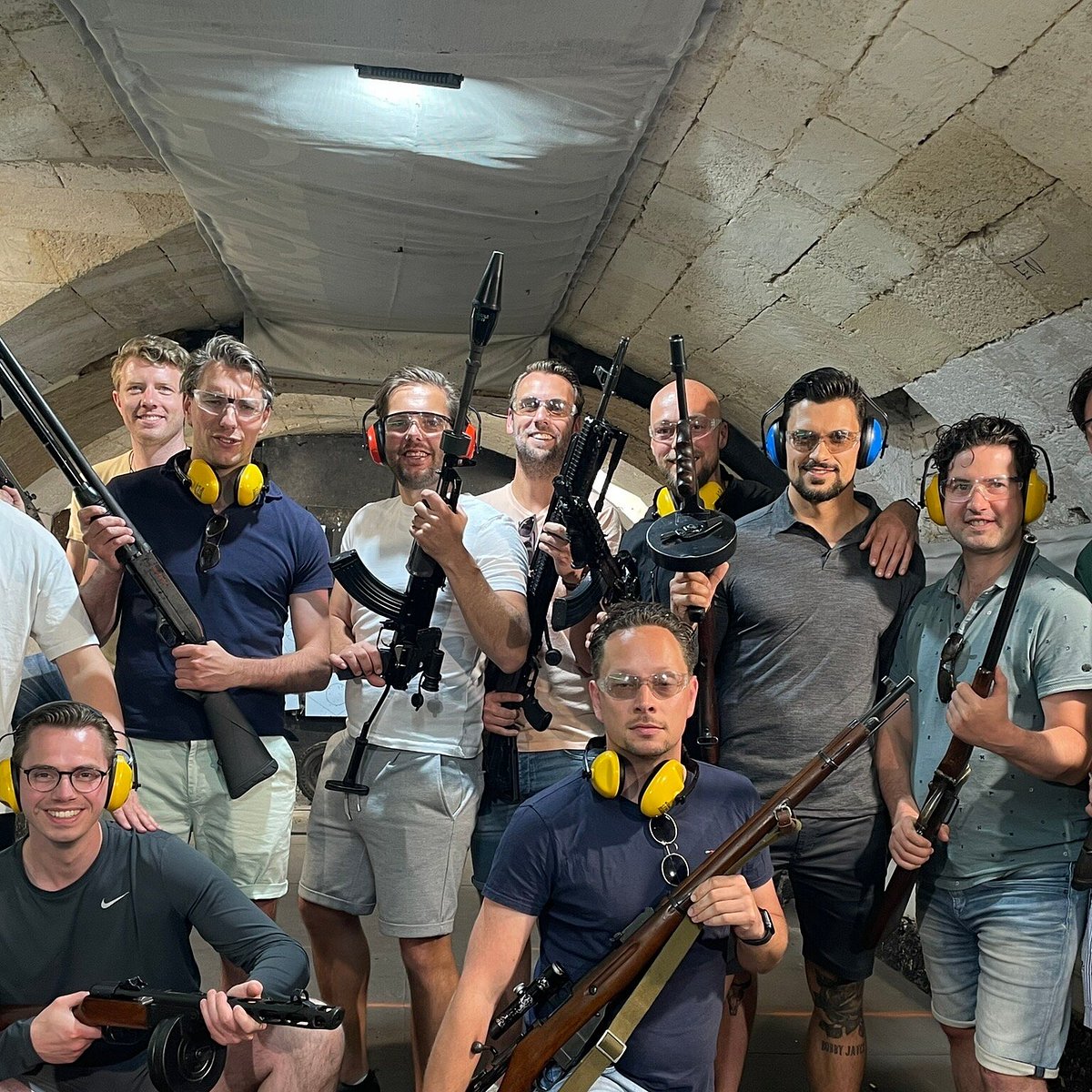
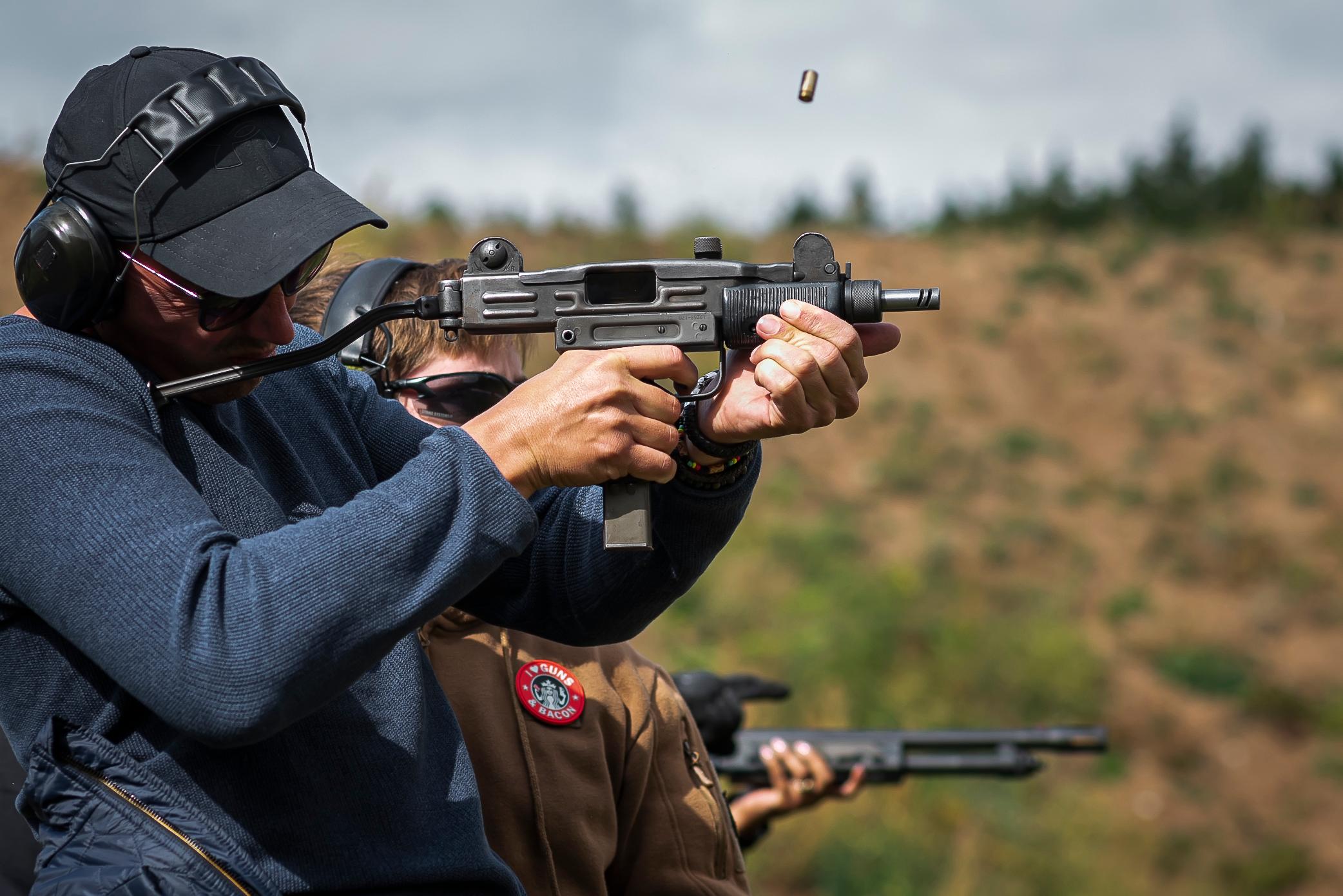
The range's signature draw is its lineup of World War II-era firearms available for supervised live fire, including period pistols and rifles rarely accessible to the public elsewhere in Budapest. Each weapon comes with a brief history from instructors before shooters step onto the line.
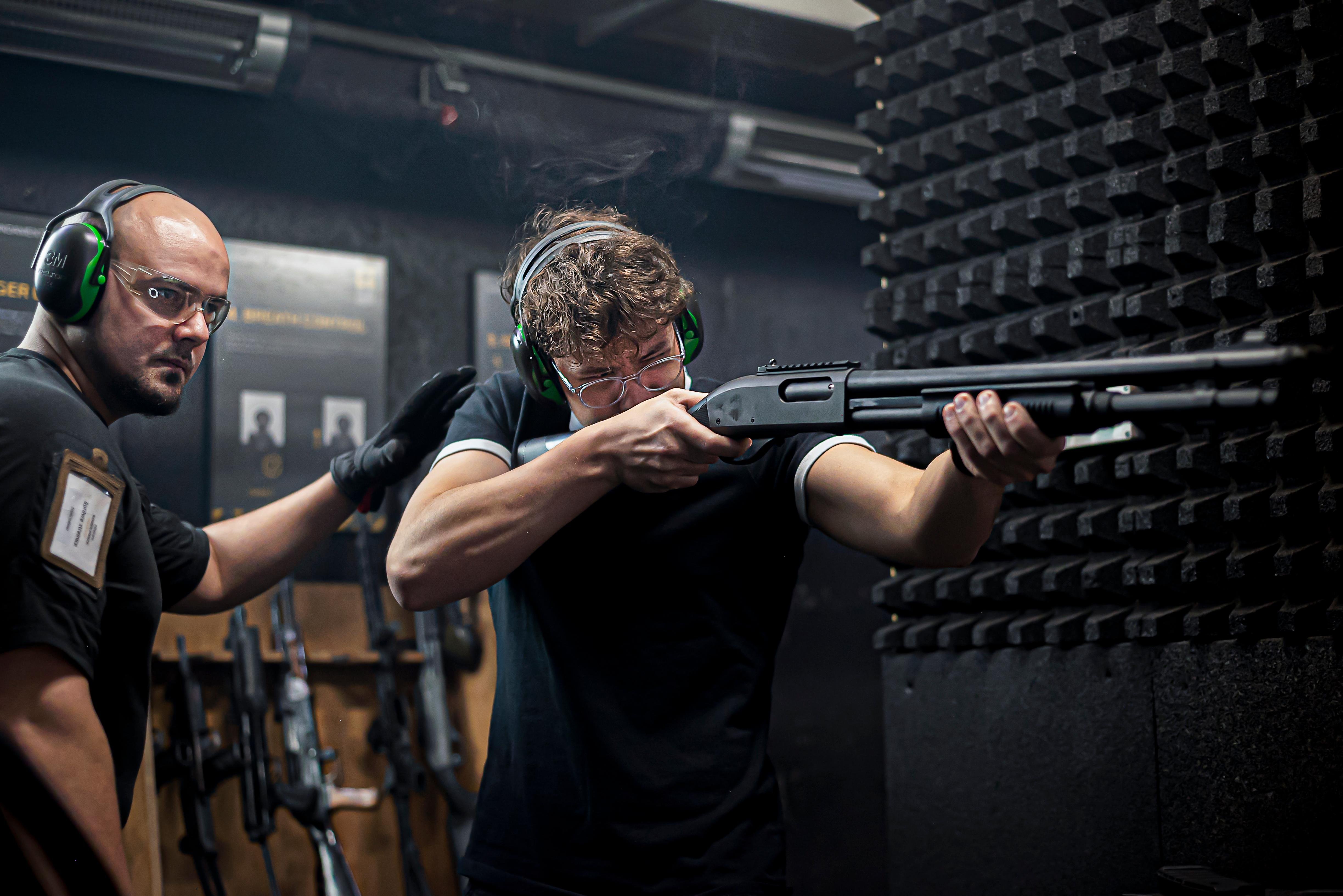
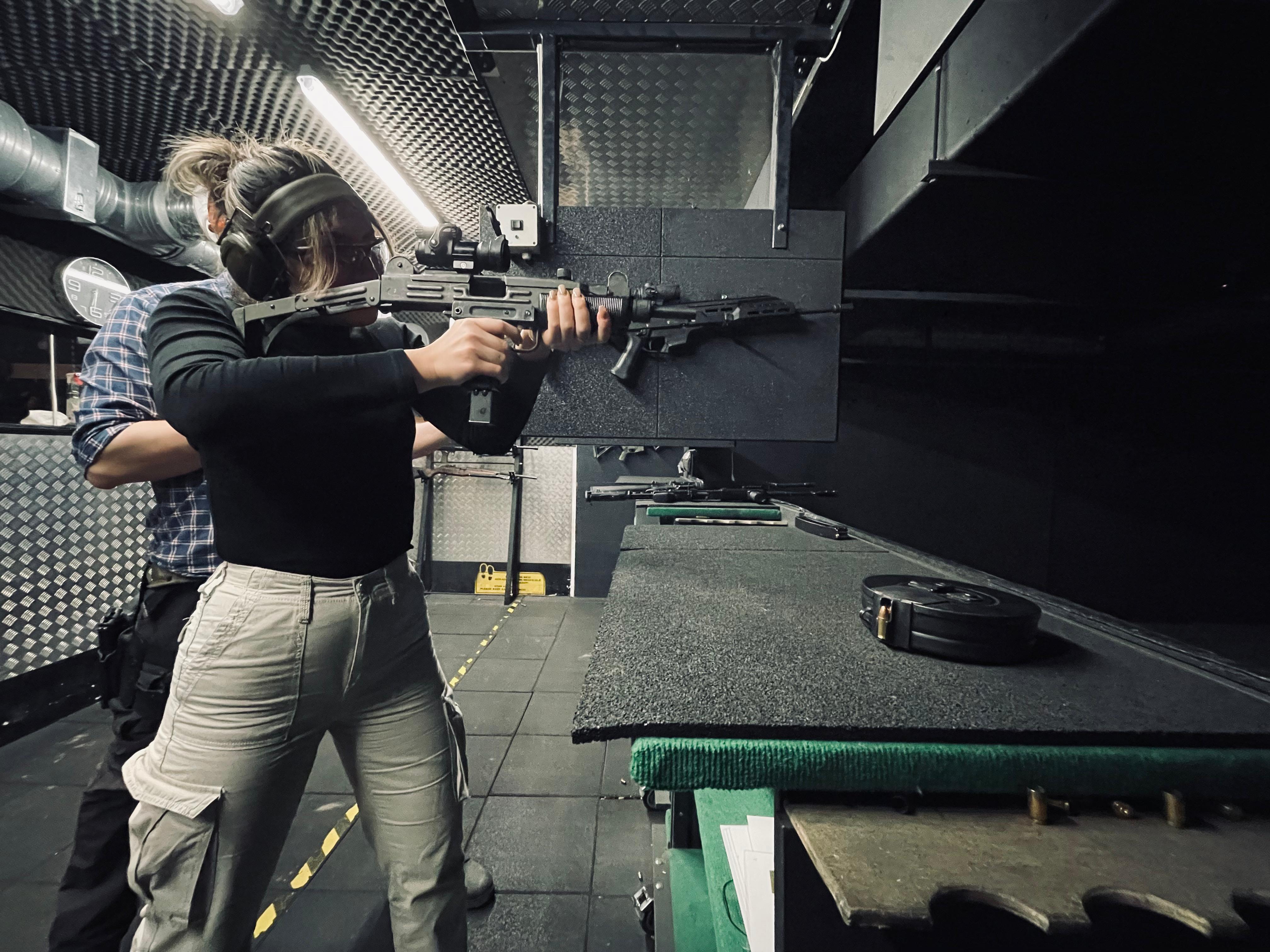
Instructors stand beside each shooter for the full duration of a package.
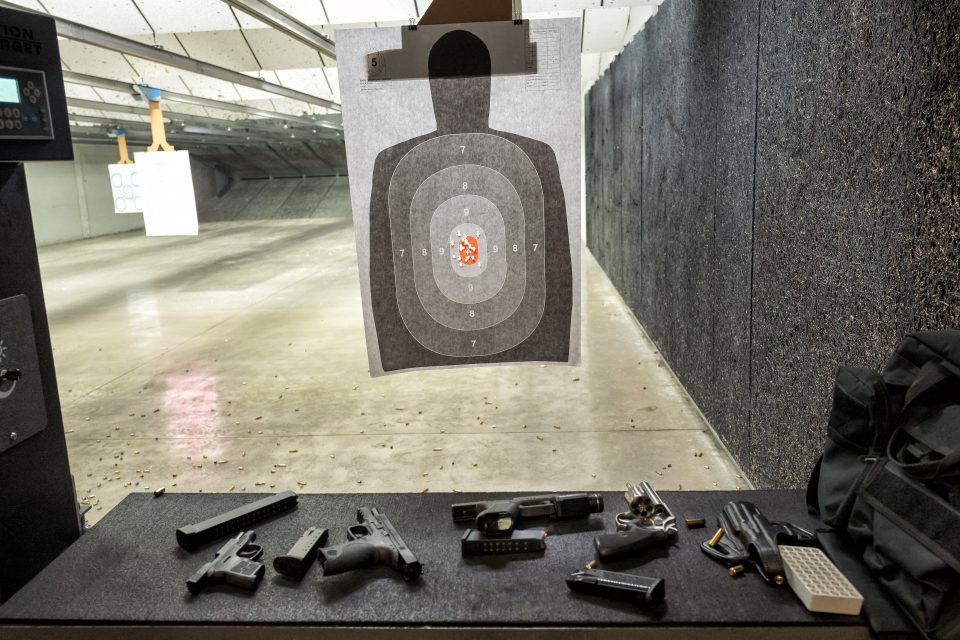
Alongside historic weapons, the range stocks contemporary handguns and rifles, letting visitors compare the handling and recoil of older military models against current firearms in the same session.
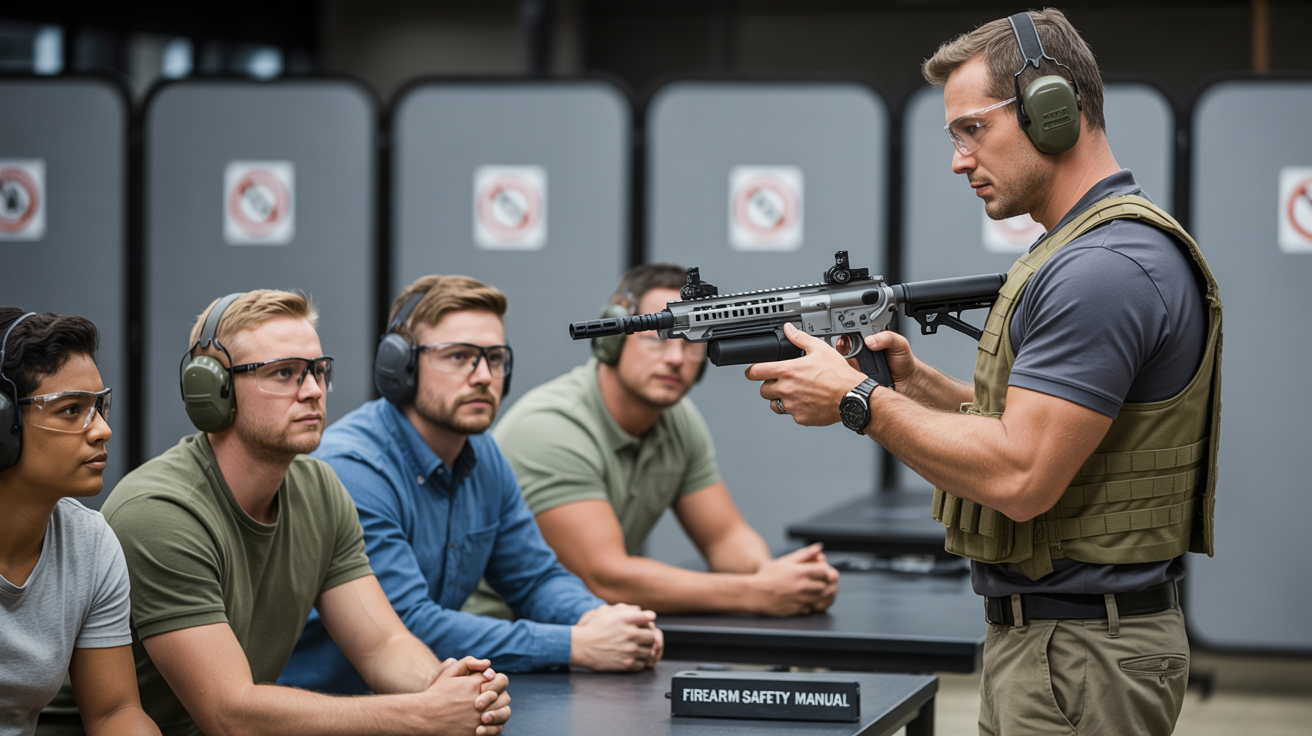
Every visitor passes through a dedicated briefing area before entering the lanes, where certified instructors cover grip, stance, and range commands in English or Hungarian. This step is mandatory regardless of shooting experience.
All the details about your upcoming adventure in one place
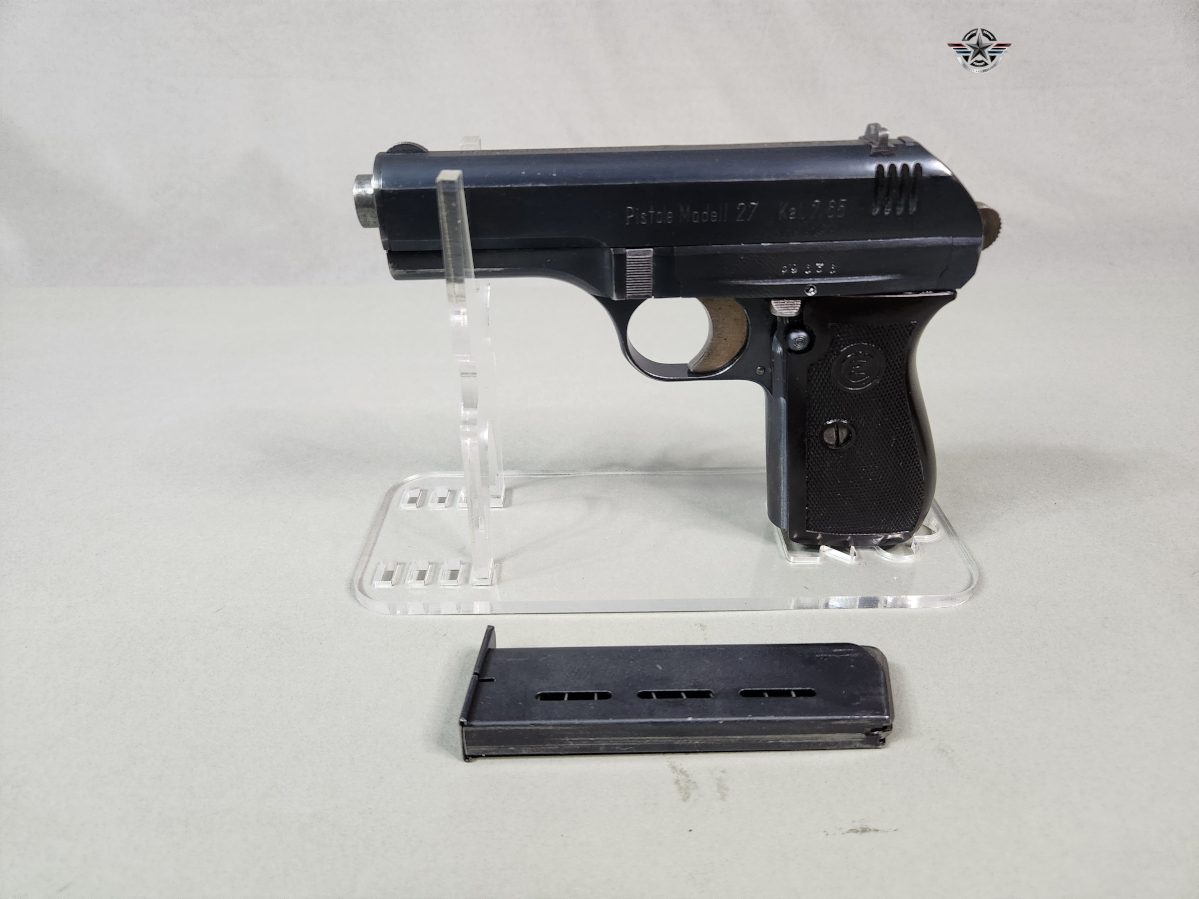
Capital Shooting on Dob utca preserves a collection of Soviet-era and Cold War firearms rarely available outside military museums — Tokarev TT-33 pistols issued to Red Army officers, PPSh-41 submachine guns carried through Stalingrad, and Kalashnikov variants that defined Eastern Bloc infantry doctrine from 1947 onward.
The range occupies a renovated industrial hall in District VII, four blocks from the former Jewish Quarter boundary where partisan fighters cached smuggled weapons during the 1944 Budapest siege. Unlike Western European ranges that favor sport models and modern semi-automatics, this facility sources decommissioned service arms from Hungarian state arsenals and private collectors who acquired surplus inventory after the Warsaw Pact dissolved.
Visitors selecting budapest shooting range ww2 packages handle weapons whose serial numbers trace to Czech armories, Polish state factories, and Soviet munitions plants that operated under wartime quotas. The TT-33's distinctive grip angle and exposed hammer spring follow a 1930 Tula design; the PPSh's drum magazine holds 71 rounds, engineered for close-quarters urban warfare. Range officers brief participants on mechanical safeties, recoil patterns, and the historical context of each firearm before supervised firing sessions in soundproofed lanes. The experience integrates technical instruction with artifact handling — a tactile counterpoint to static museum displays.
Budapest shooting range experiences here span beginner packages with four firearms and 30 rounds to extended sessions pairing ten weapons with 100 cartridges. Indoor lanes accommodate pistols and submachine guns; an outdoor annex hosts rifle drills when weather permits. Safety protocols exceed Hungarian Sport Shooting Federation standards: each participant receives noise-canceling headsets, ballistic eyewear, and one-on-one supervision during live fire. The facility's Soviet armory collection positions it within a network of Cold War heritage sites across District VII, where bullet scars still mark Baroque facades near Wesselényi utca and Kazinczy utca synagogues.
The TT-33's exposed hammer spring follows a 1930 Tula design; the PPSh's drum magazine holds 71 rounds, engineered for close-quarters urban warfare.
Bookings for Budapest Shooting Range packages can typically be rescheduled or refunded when cancelled at least 24 hours before the scheduled slot; entrance itself carries no fee since general admission is free, with charges applying only to the chosen shooting package. Late cancellations or no-shows on booked shooting slots are generally non-refundable.
Weather · crowds · average price — dots go green to amber to red as each metric rises.
Mild Budapest weather makes walking to Dob utca comfortable, and the Jewish Quarter around the range is less crowded than in peak summer. April and May bring pleasant temperatures around 15-20°C for combining the visit with a walking tour.
This is peak tourist season in Budapest, so the surrounding Jewish Quarter gets busy with visitors, though indoor range activity itself is unaffected by heat. Evening slots after 18:00 tend to see more demand from tourists exploring nearby nightlife.
September and October offer cooler, comfortable conditions similar to spring with fewer tourist crowds in the surrounding district. This shoulder season is a practical time to pair the range with sightseeing in the Jewish Quarter.
Cold outdoor temperatures make the indoor range an appealing activity regardless of weather, and the district is quieter than summer months. Shorter daylight hours mean many visitors book afternoon or evening slots.
Budapest Shooting Range packages are popular with tour groups, so reserve in advance through the official site rather than walking in.
Photo identification is required before handling any firearm, so carry a passport or driver's license, not just a phone photo of one.
Closed-toe shoes and fitted tops reduce the chance of hot shell casings causing minor burns during your session.
Several packages let you fire historic models, so confirm with staff which specific firearms are included before you commit.
The range sits inside Erzsébetváros, so pair your visit with the Great Synagogue or Szimpla Kert on the same trip.
Since refund windows apply to paid shooting packages, check the exact cutoff time when you reserve.
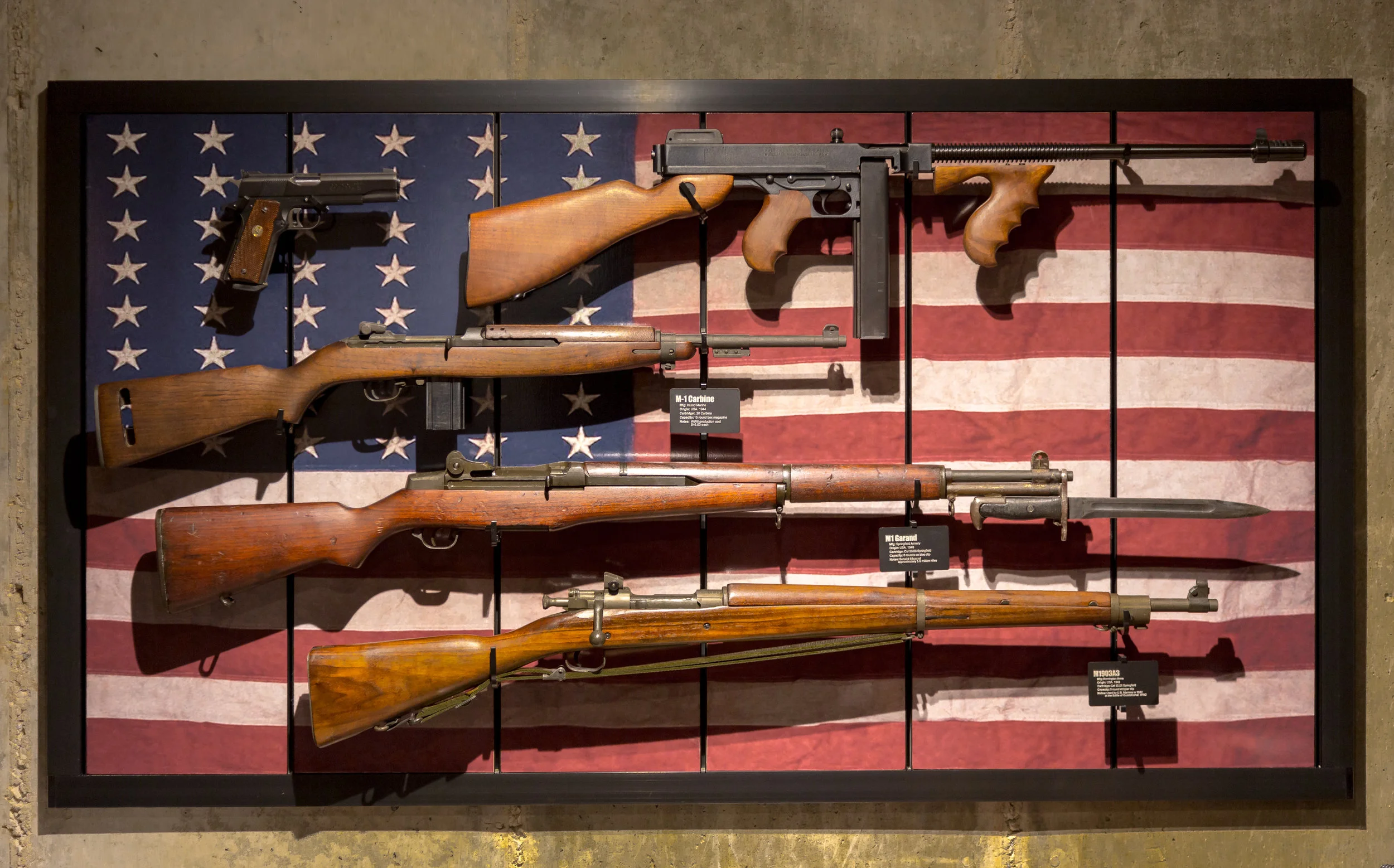
The weapons offered at the budapest shooting range ww2 packages trace their lineage to pivotal moments in mid-twentieth-century warfare. The Soviet PPSh-41 submachine gun, designed by Georgy Shpagin in 1941, became the Red Army's most prolific automatic weapon, with over six million manufactured by 1945. Its distinctive drum magazine and simple stamped-metal construction allowed rapid field production during the siege of Stalingrad and the advance through Eastern Europe. Hungarian forces encountered these weapons extensively during the 1944–45 Soviet offensive that liberated Budapest from Axis control. The German MP40, fielded from 1940 onward, represented a competing philosophy: precision engineering over mass production. Erma Werke manufactured approximately one million units, arming paratroopers, vehicle crews, and infantry platoon leaders across every theater. Budapest's brutal winter siege saw Wehrmacht units defending Buda Castle with MP40s as Soviet forces encircled the city. The weapon's folding stock and 9mm chambering made it effective in urban combat, though its slower production rate ultimately proved a strategic liability. American Lend-Lease shipments brought the M1 Garand rifle and M1 Carbine into European hands by 1943. The Garand's eight-round en-bloc clip system, designed by John Garand and adopted in 1936, gave U.S. infantry superior firepower at Normandy and the Ardennes. The lighter M1 Carbine, introduced in 1942 for support troops, saw unexpected frontline service during the liberation campaigns. Hungarian resistance fighters occasionally secured these weapons from Allied airdrops or battlefield salvage during the final months of occupation. Today's budapest shooting range ww2 tours allow visitors to handle these historically significant firearms under controlled conditions, connecting tactile experience with the documented legacy of each platform's wartime deployment.
U.S. Army adopts the M1 Garand, establishing semi-automatic infantry rifle as standard issue.
Germany begins mass production of the MP40 submachine gun for mechanized and airborne units.
Soviet Union introduces the PPSh-41, eventually producing over six million by war's end.
M1 Carbine enters service as lighter alternative for American support personnel and vehicle crews.
Budapest siege sees intensive urban combat involving all major Allied and Axis small arms.
Decommissioned Eastern Bloc arsenals release surplus firearms into civilian shooting sport markets.
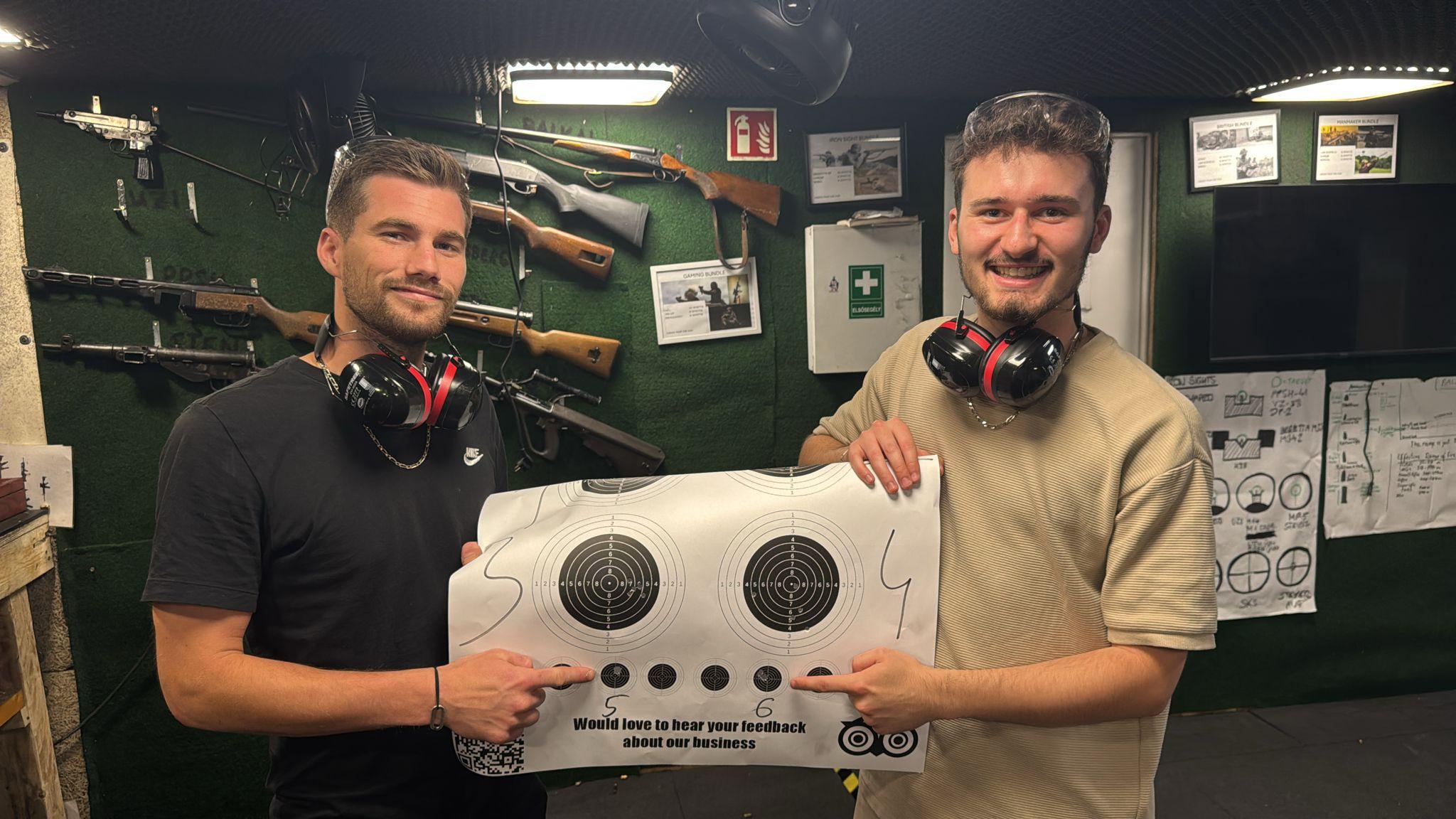
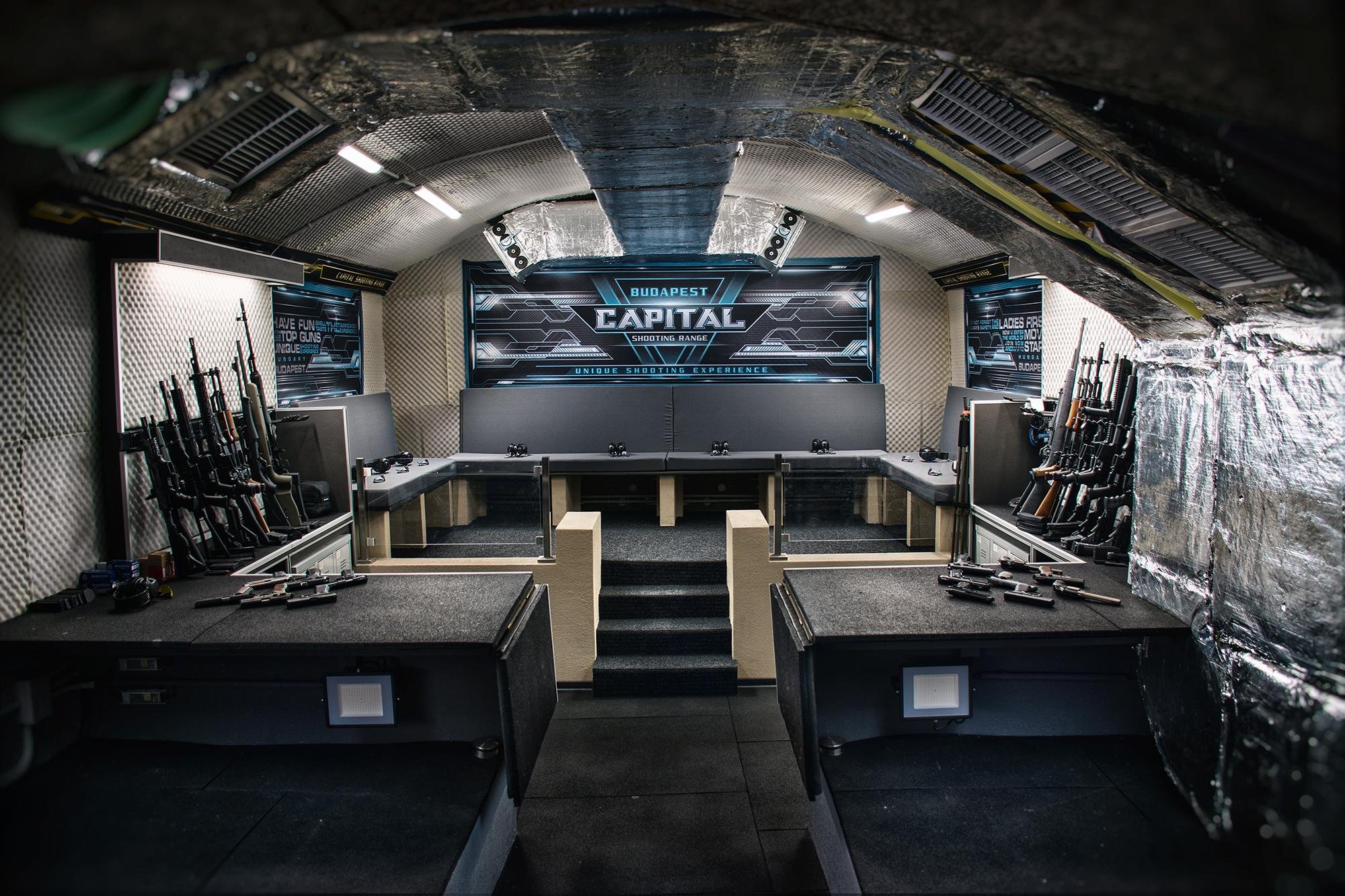
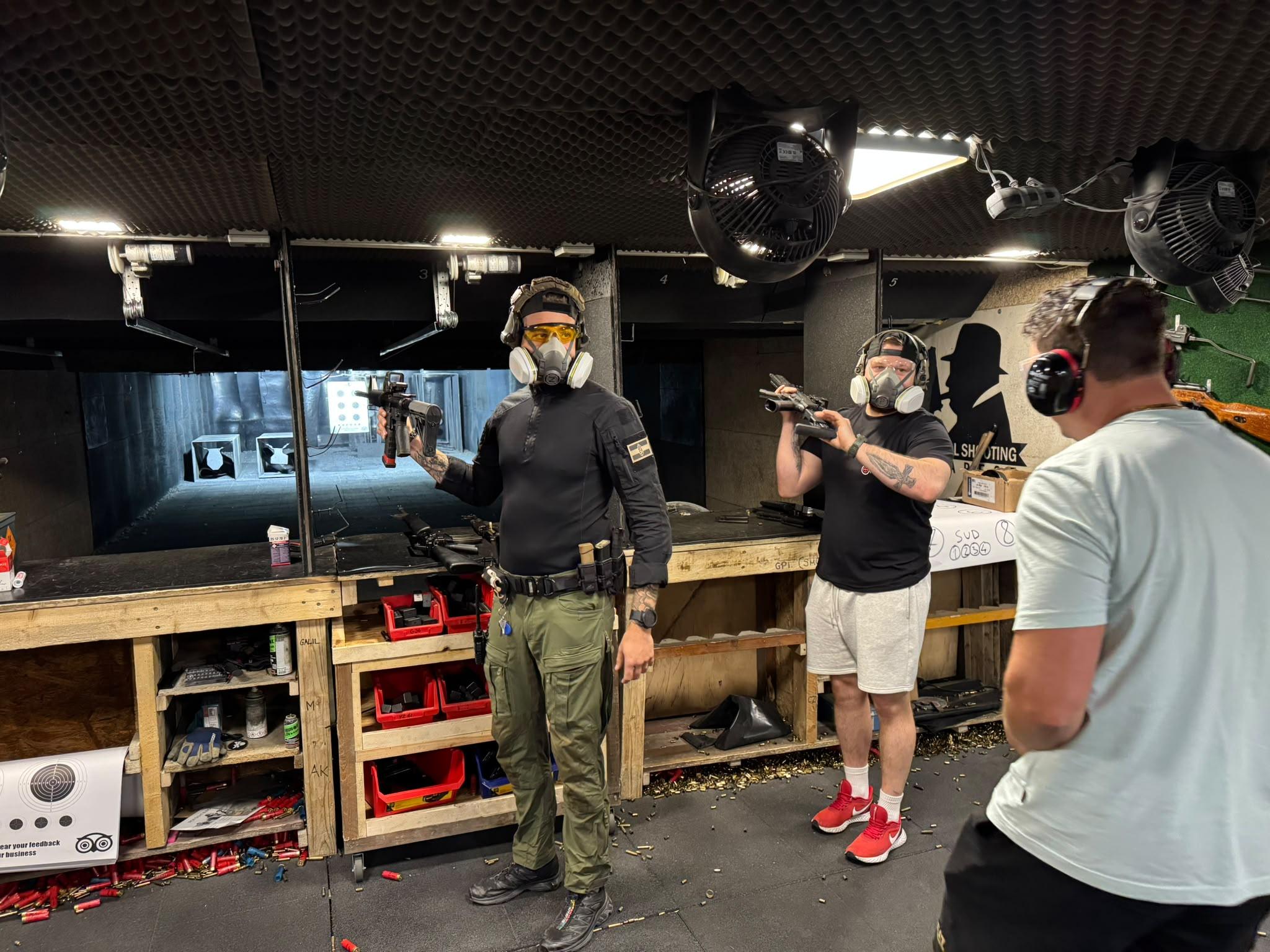
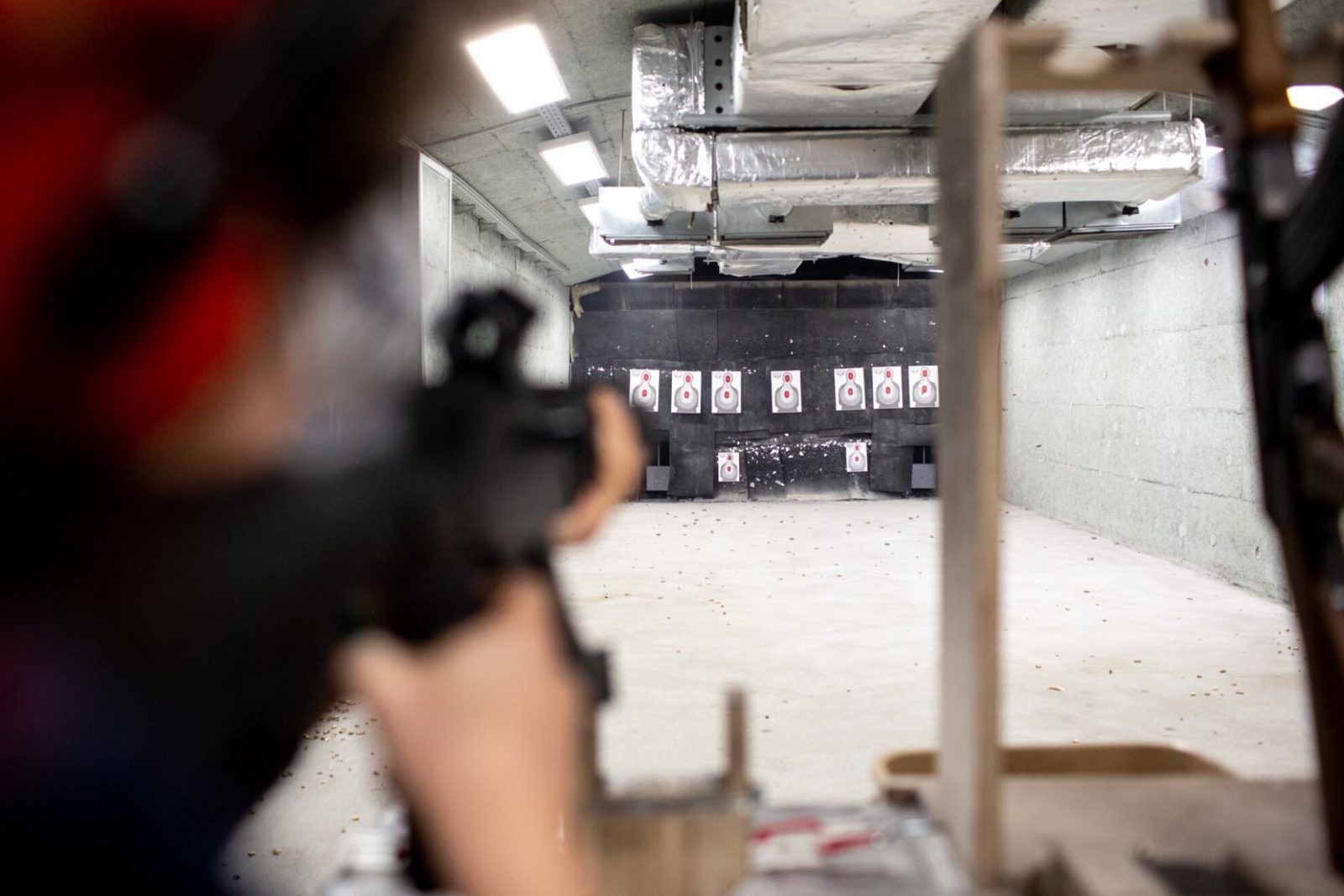
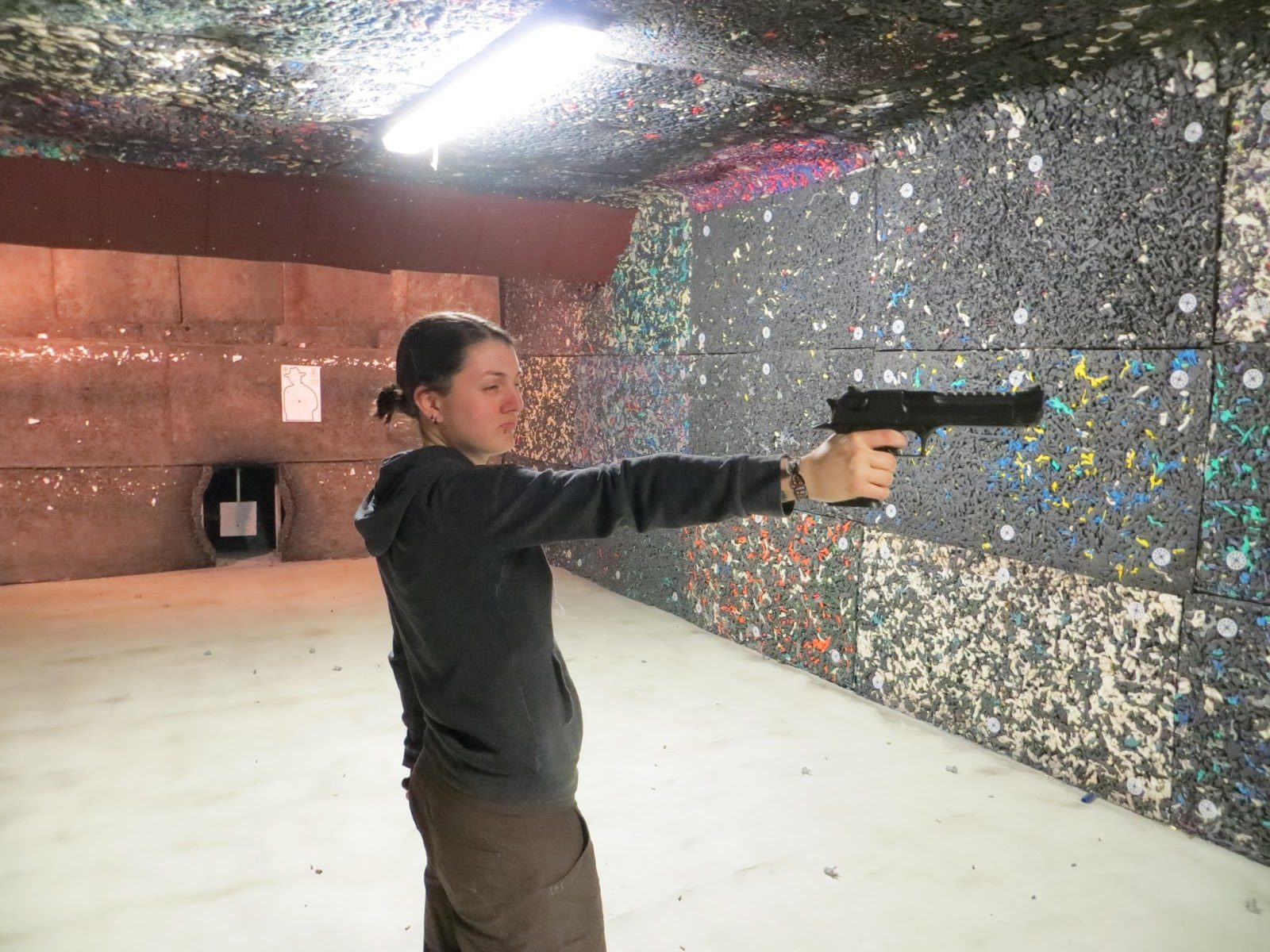
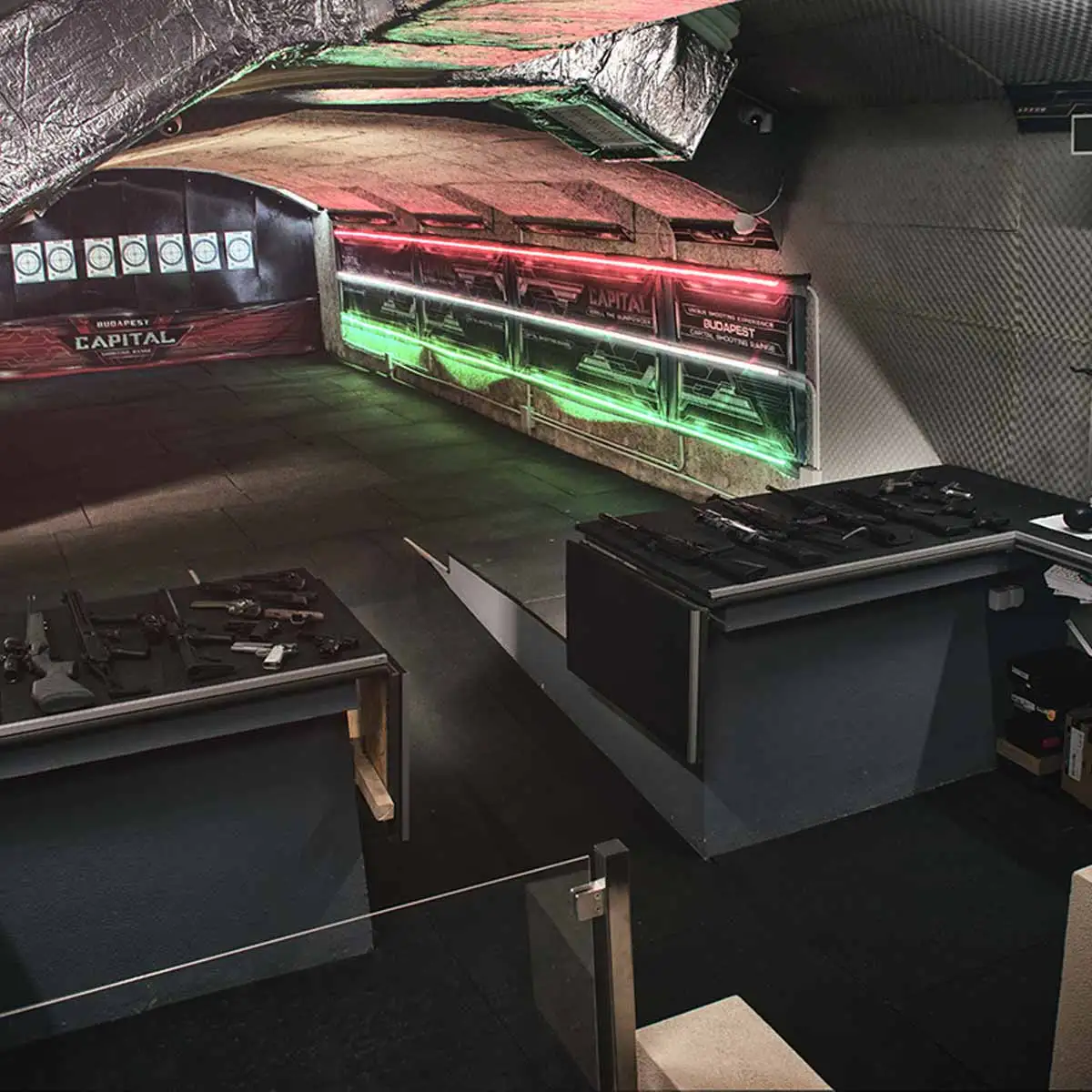
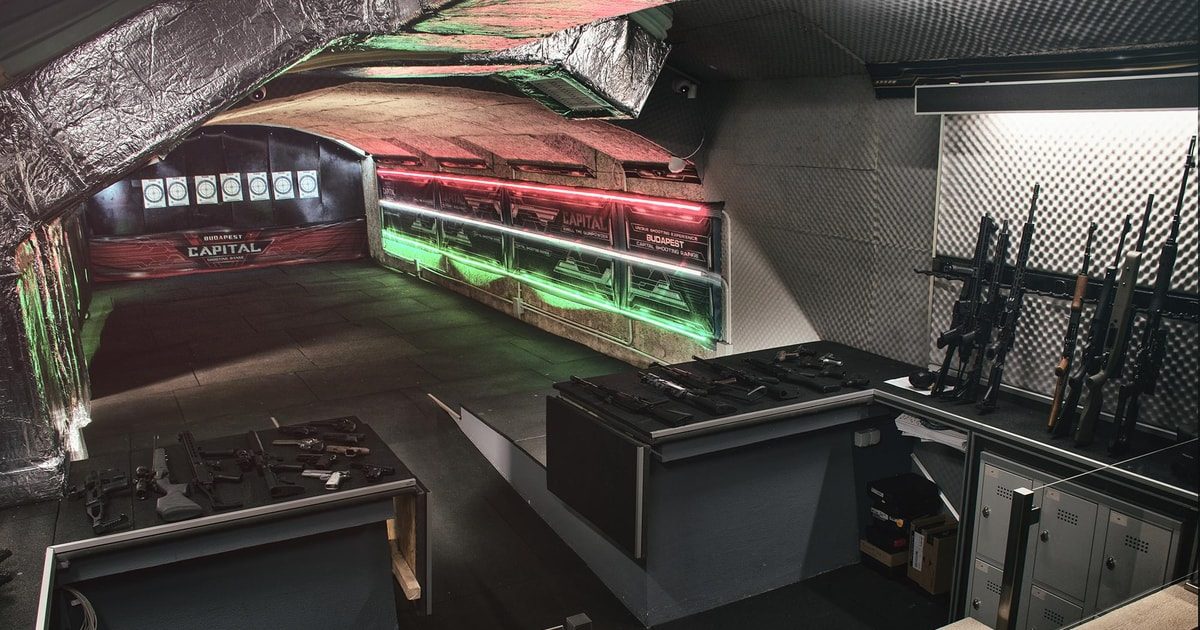
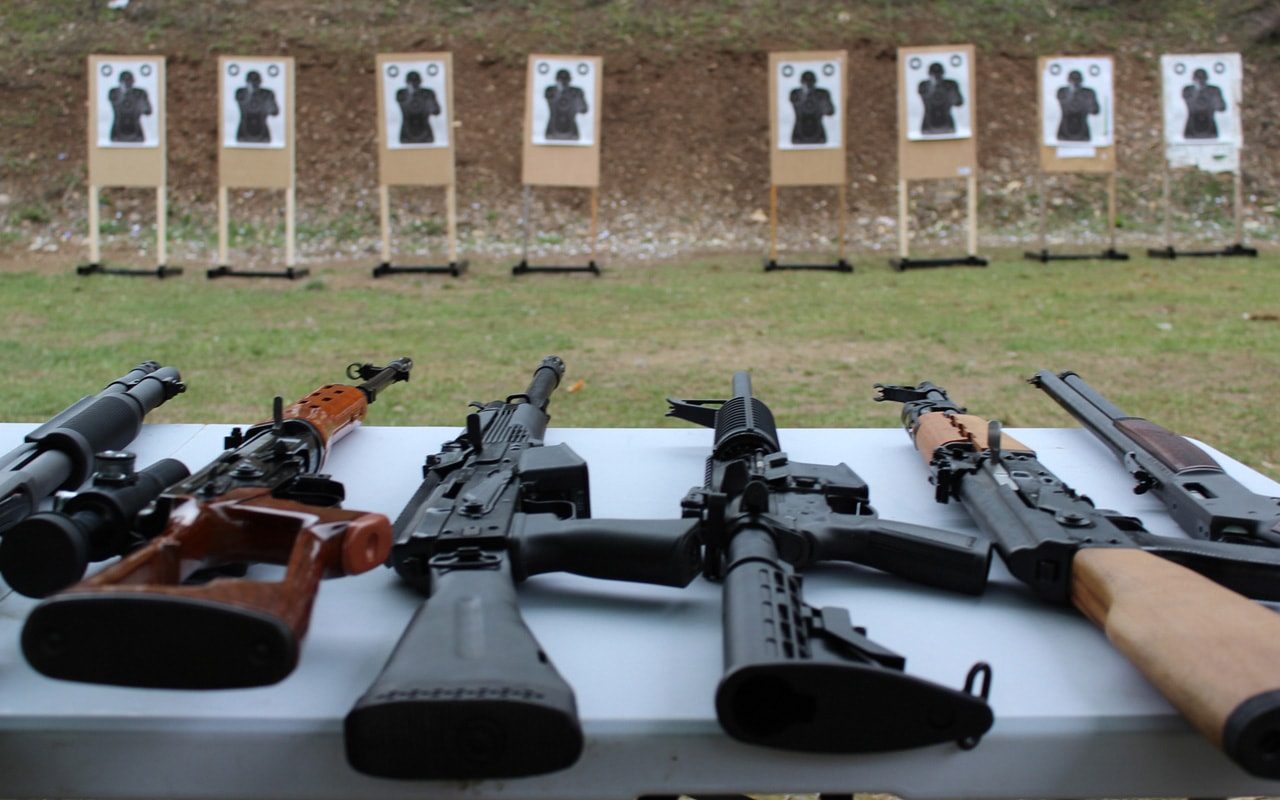
Stand directly behind the designated lane markers to capture the perspective of the target line with historical firearms. This position provides a clear view of the downrange area frequently utilized during a budapest shooting range ww2 session.
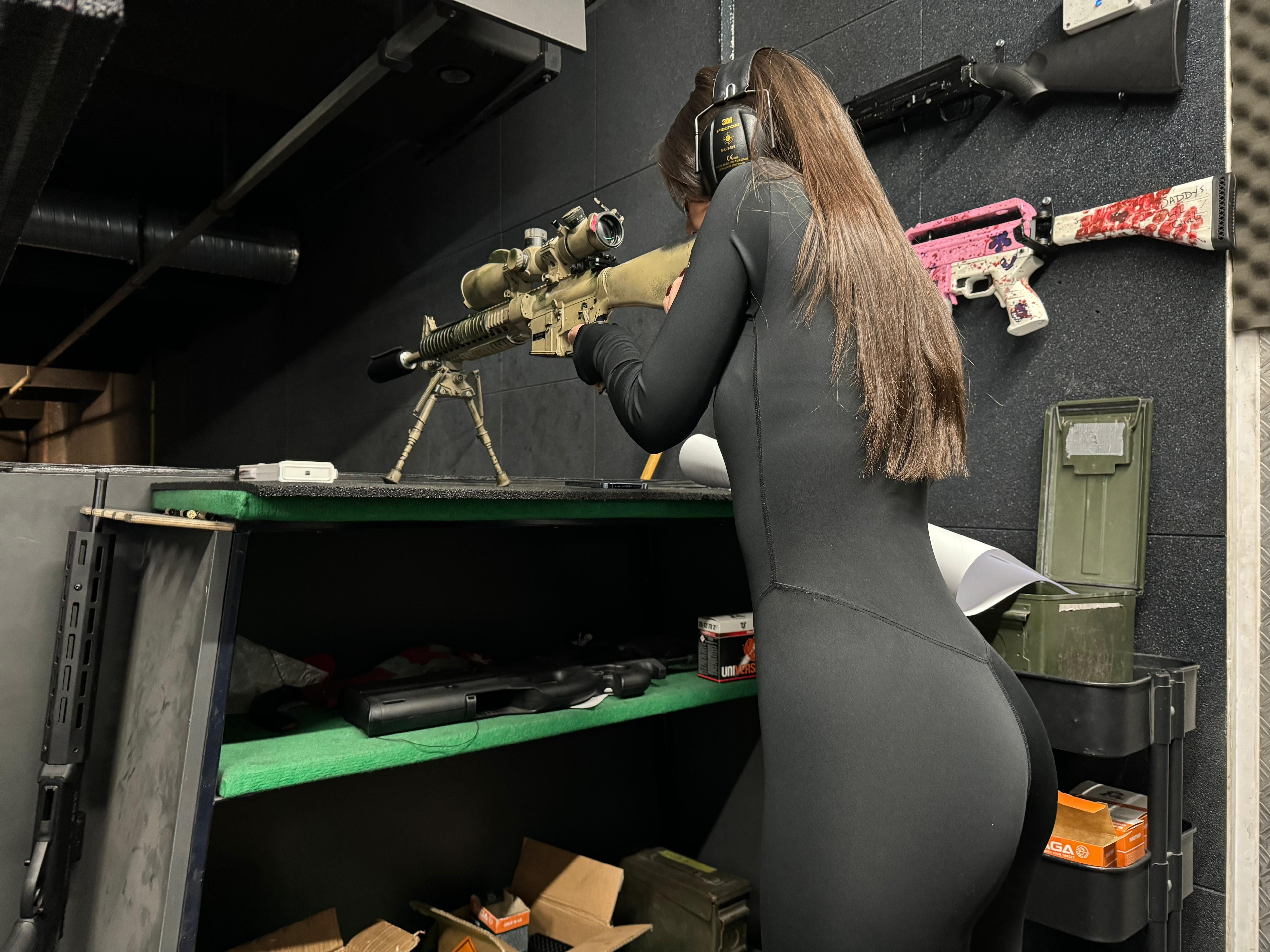
Position yourself parallel to the main wall where various vintage and modern pieces are mounted. This allows for detailed shots of the collection often featured in a budapest shooting range ww2 tour.
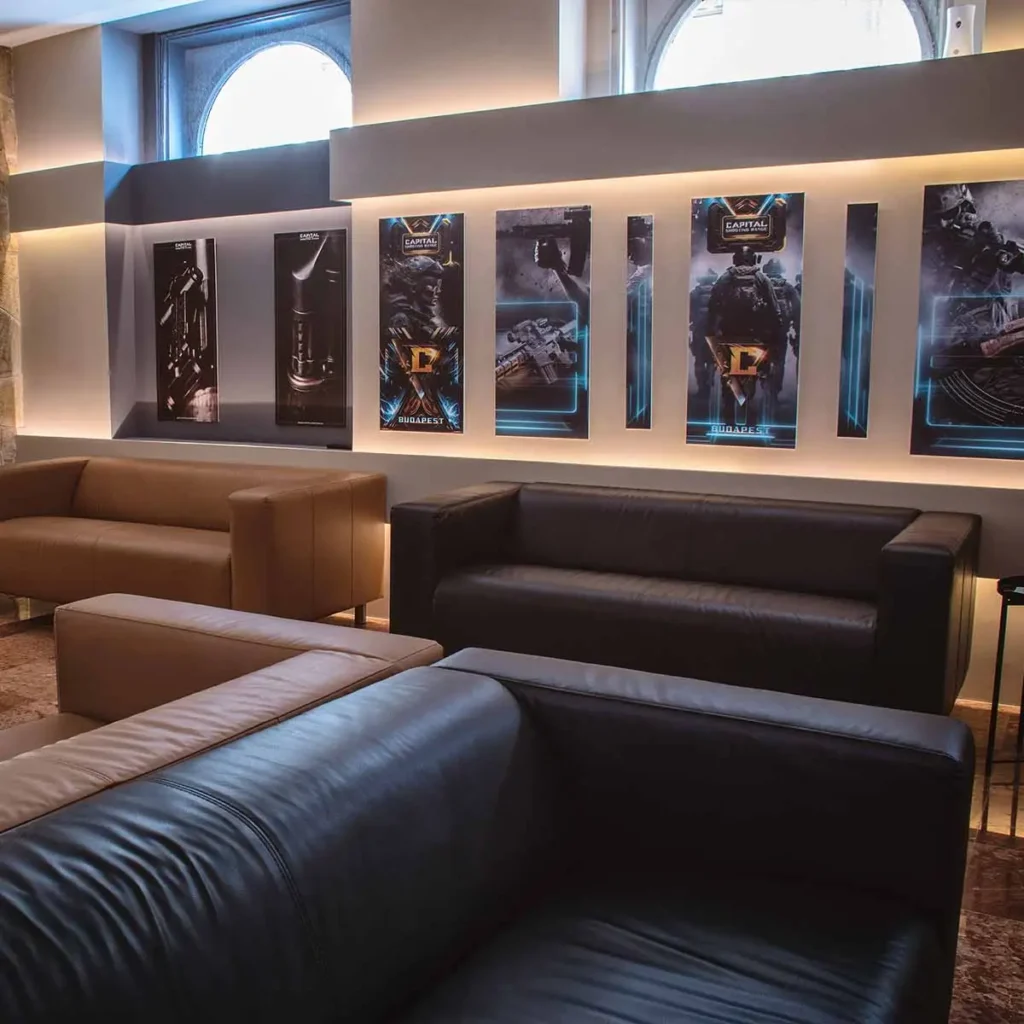
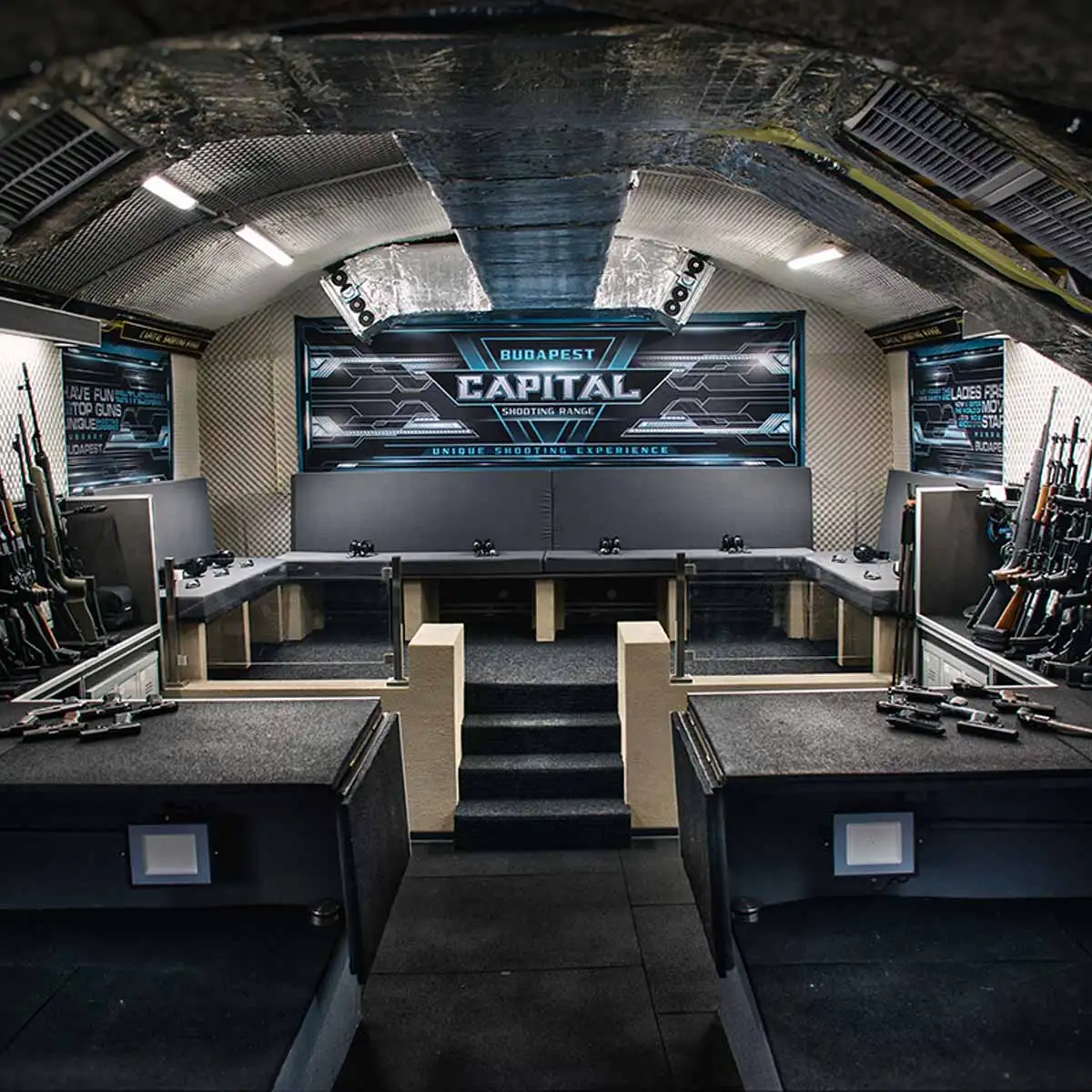
Capture the tactical atmosphere from the back corner of the briefing room before your session begins. This space is where visitors prepare for their budapest shooting range ww2 tickets experience under instructor supervision.
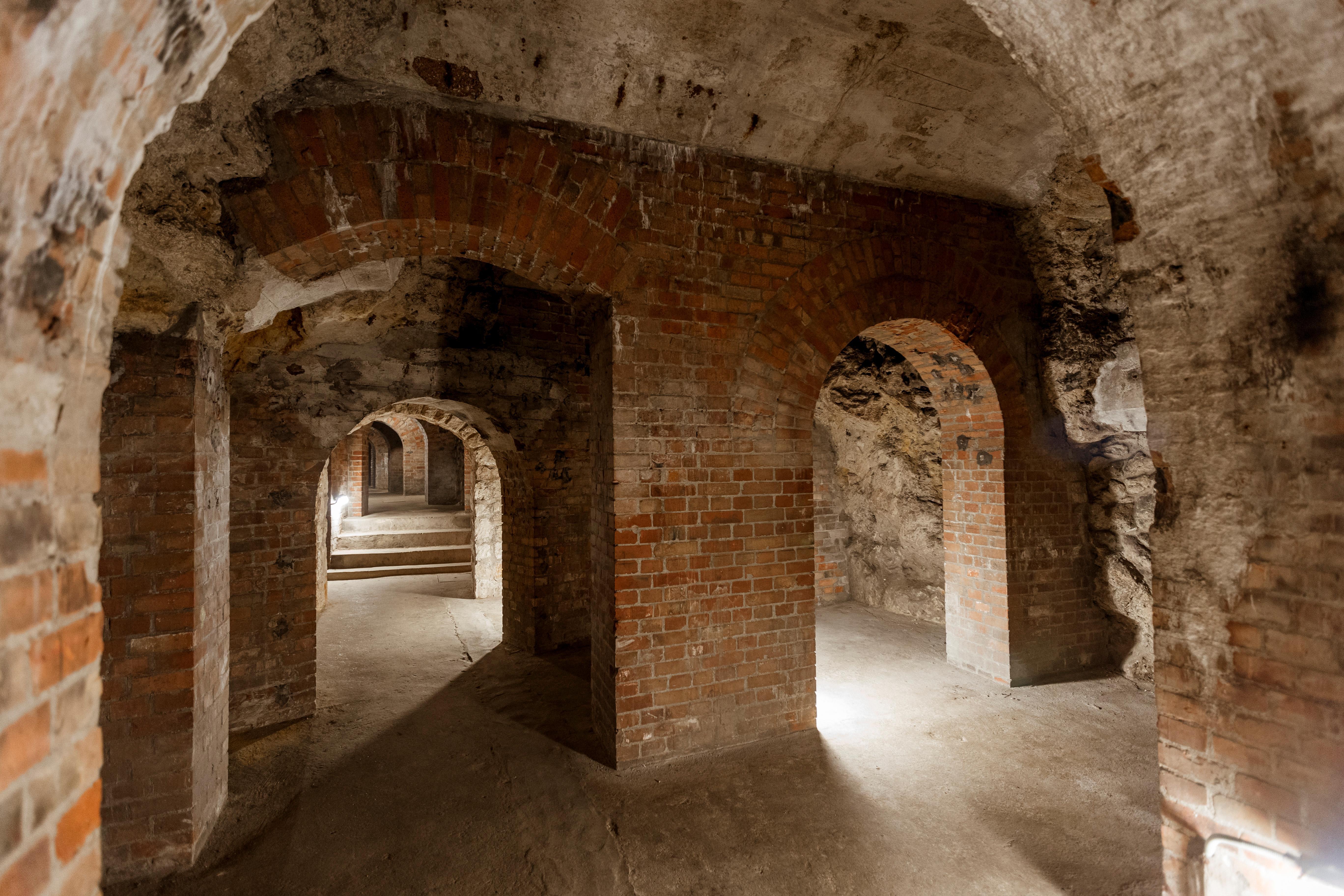
Frame the shot from the entrance foyer looking toward the range control desk to capture the industrial aesthetic of the facility. This is an ideal vantage point for documenting your arrival for budapest shooting range ww2 tours.
Families interested in historical firearms can explore the budapest shooting range ww2, though this environment is strictly controlled and best suited for older teenagers. Navigating this space requires maturity and careful adherence to safety protocols during your visit.
The venue is not stroller-friendly due to the nature of the facility layout and safety constraints. Please plan to leave strollers outside or avoid bringing them altogether.
This activity is recommended for teenagers and young adults who can safely handle high-powered equipment under supervision. It is not suitable for younger children or toddlers.
There are no specific baby-change facilities or dedicated play areas on-site. Visitors should plan their arrival using the recommended window to ensure a smooth experience when booking budapest shooting range ww2 tours.
The experience involves focused safety briefings and stationary target practice rather than a walking tour. Consider booking your budapest shooting range ww2 tickets online to streamline your check-in process.
There is no dining facility on the premises.
The Budapest Shooting Range sits on Dob utca in the 7th district, a few steps from the Gozsdu Udvar courtyard, so there's no need to bring your own food when planning a budapest shooting range ww2 visit — the surrounding blocks are dense with kitchens. Most guests grab something before or after their session rather than mid-visit, since food isn't served on-site.
Israeli-Hungarian courtyard restaurant with hummus plates and shakshuka, popular in the evening so arrive early if you want a table before your session
Open-air food truck court in Kazinczy utca with burgers and langos stalls, good for a fast bite between a safety briefing and shooting package
Old-school Jewish bakery known for flodni cake, a quick sweet stop that suits visitors with limited time
Classic Hungarian fried dough counter near Gozsdu Udvar, cheap and filling, gets a short queue around lunchtime
Garden restaurant serving hearty Hungarian mains and soups, relaxed pace and good for sitting down after a range visit
Everything you need to know for your journey
Yes, a valid photo ID such as a passport or driver's license is required before anyone can handle a firearm at the range.
Photography is fine in the reception and lounge areas, but phones and cameras must be turned off inside the firing lanes for safety.
Closed-toe shoes and fitted clothing without loose sleeves are recommended since ejected shell casings can cause minor burns.
Paid shooting packages can generally be rescheduled or refunded when cancelled at least 24 hours ahead, while general admission carries no fee to begin with.
The Great Synagogue, Kazinczy Street Synagogue, and the ruin bar Szimpla Kert all sit within an 8-minute walk of the range in the Jewish Quarter.
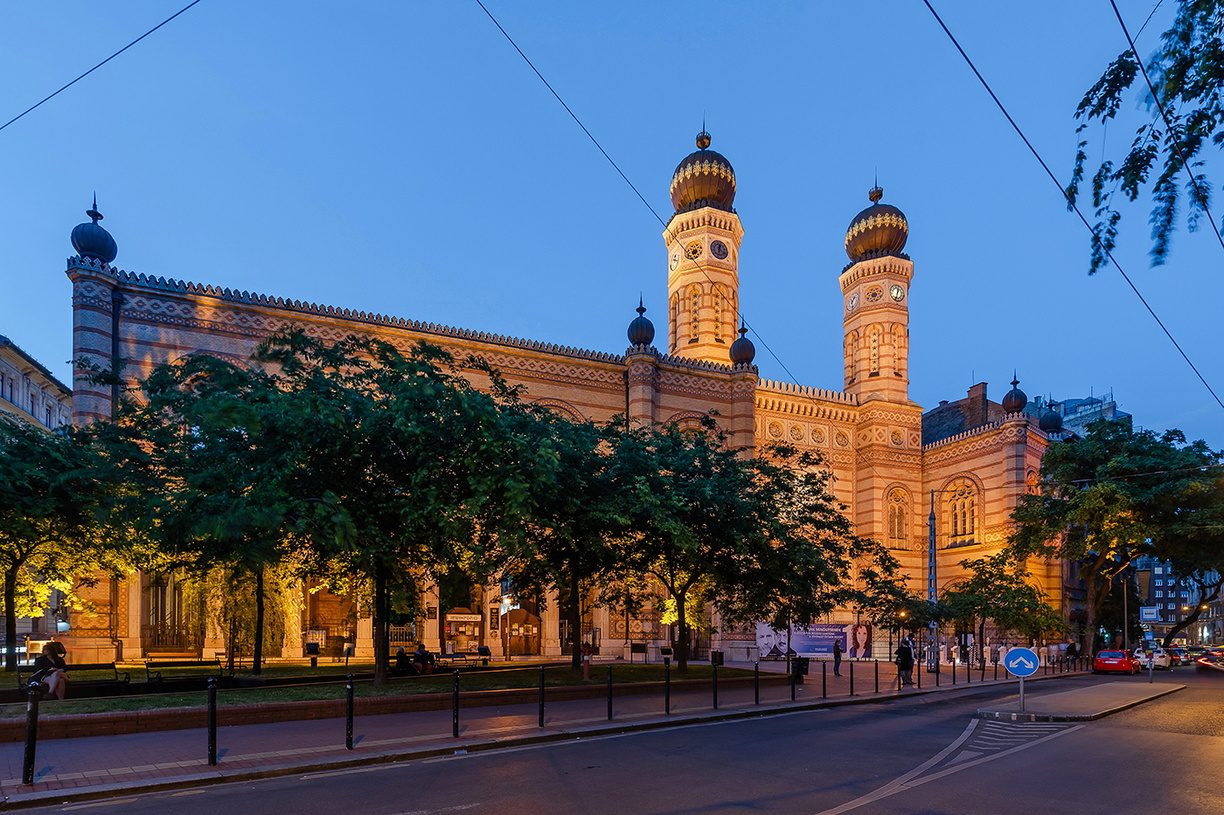
The largest synagogue in Europe sits in the heart of the Jewish Quarter, known for its Moorish Revival architecture and Tree of Life memorial. It anchors the district that surrounds Budapest Shooting Range.
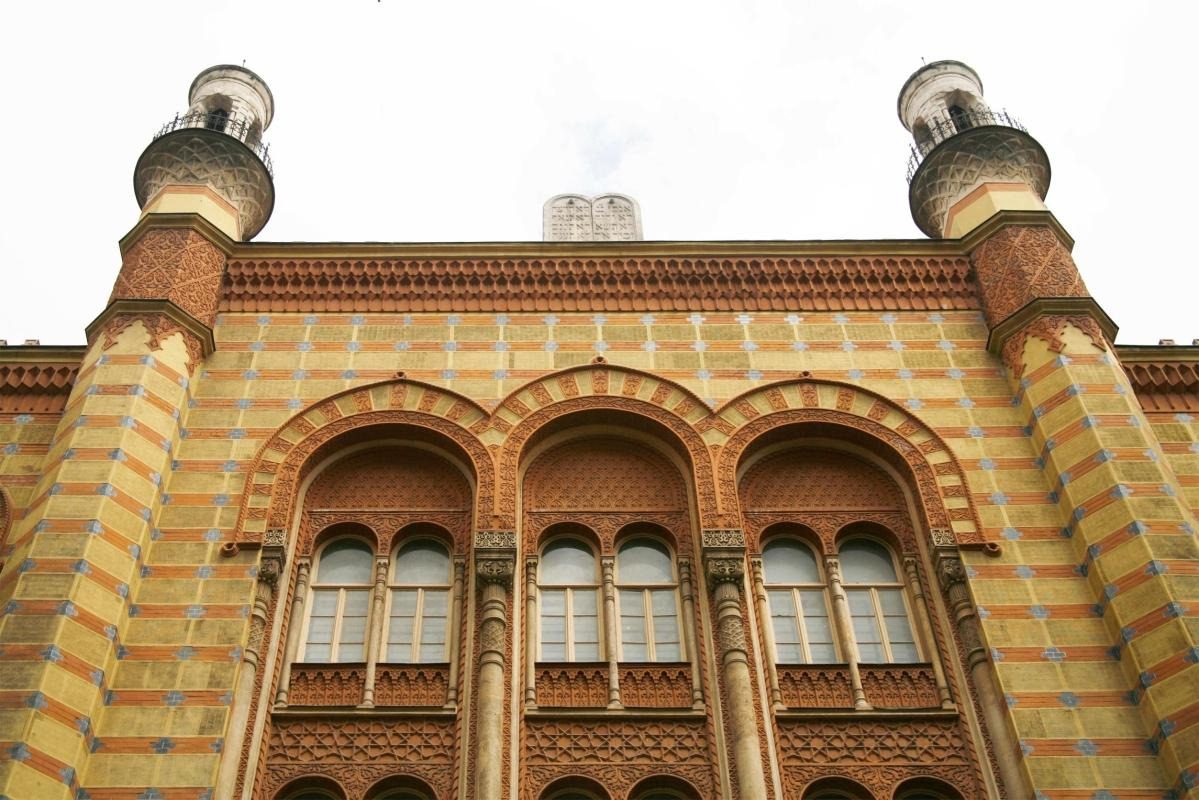
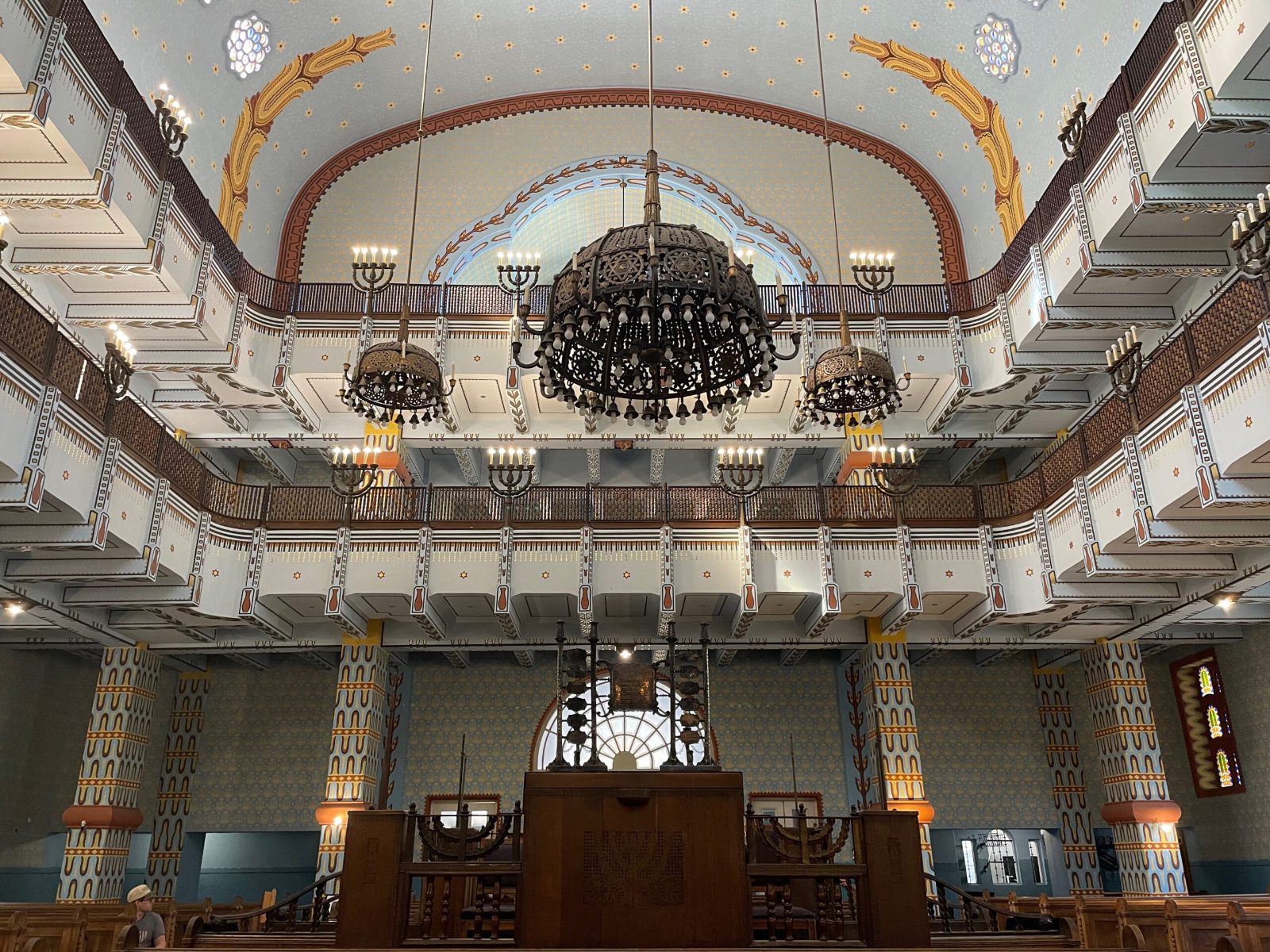
A smaller, Moorish-style synagogue designed by Otto Wagner, restored and reopened to visitors after decades of disuse. Its colorful interior contrasts with the larger Great Synagogue nearby.
An Art Nouveau synagogue built in the early 1900s, still active for Orthodox services and set within the district's ruin bar scene. The surrounding streets host some of Budapest's best-known nightlife venues.
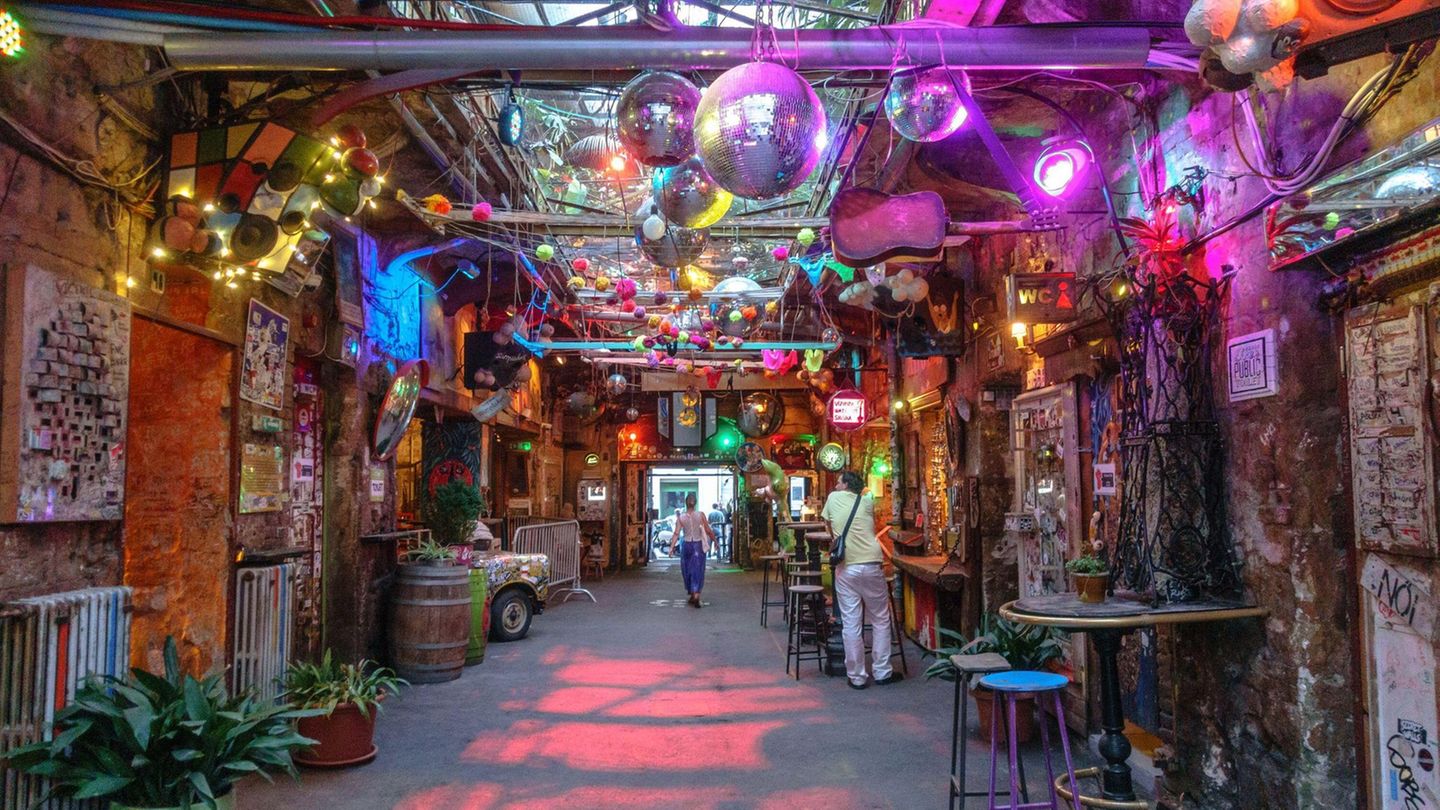
One of the original ruin bars, built inside a former factory building with mismatched furniture and courtyard seating. It has become a defining feature of the Jewish Quarter's night scene.
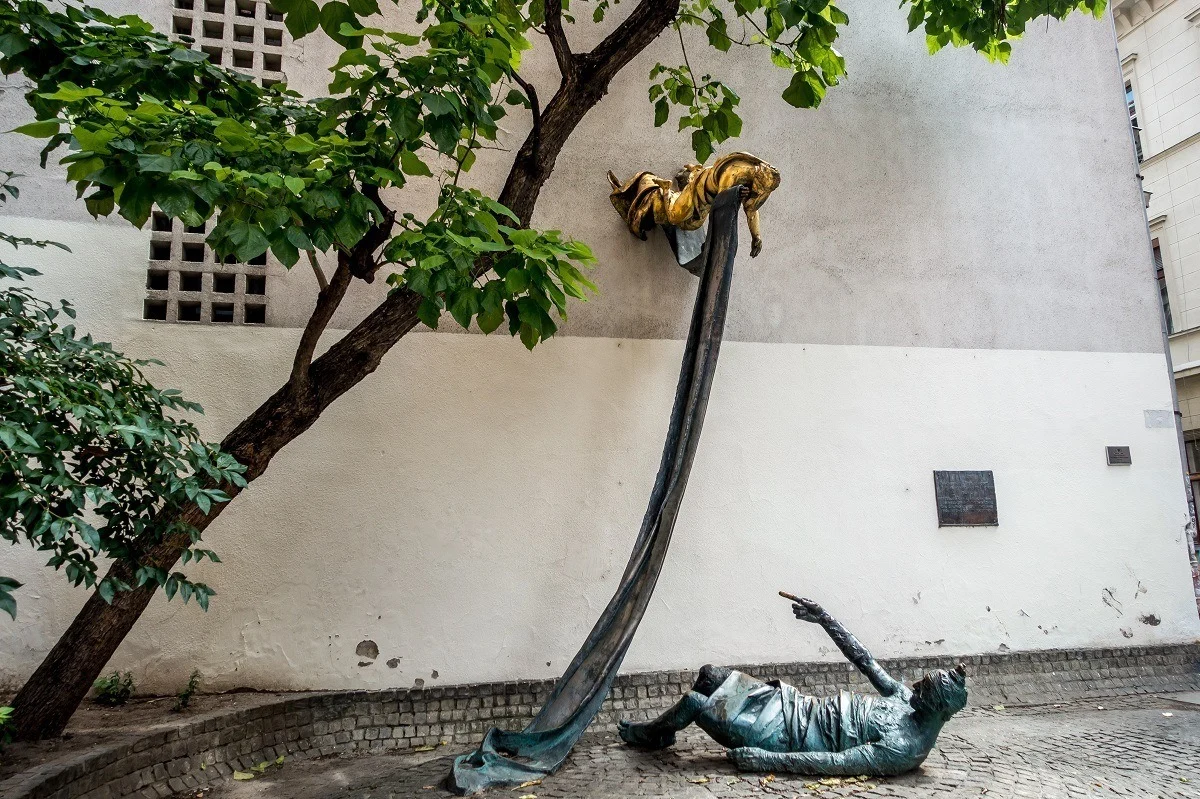
A monument honoring the Swiss diplomat who saved thousands of Jewish lives during World War II, located on Dob utca itself. The memorial depicts a figure reaching down from an angelic form.
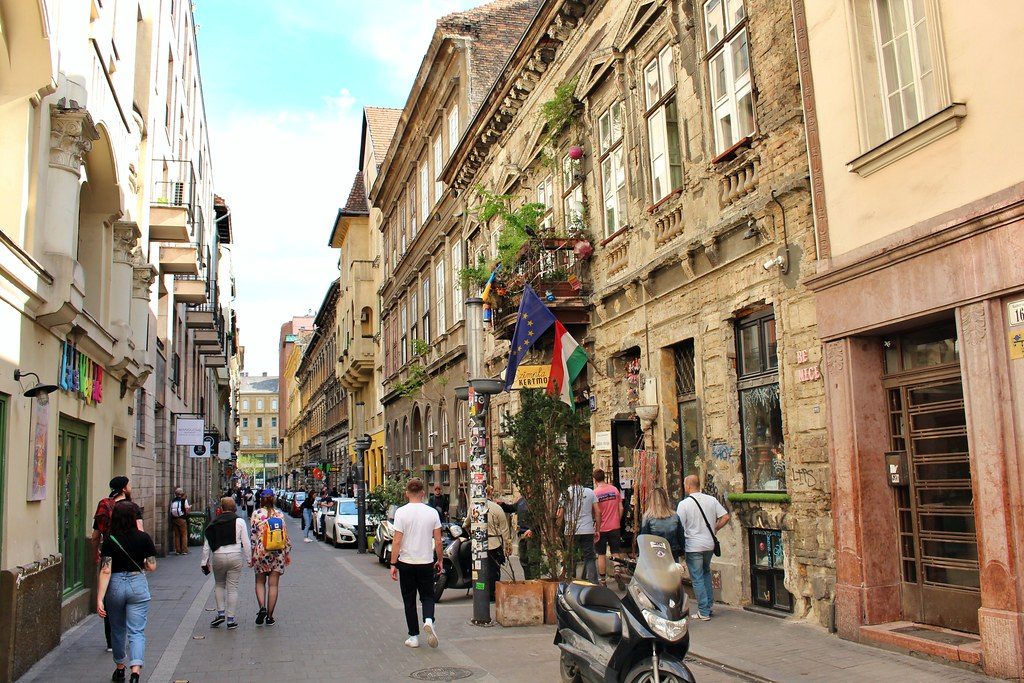
The Jewish Quarter surrounding Budapest Shooting Range is dense with hostels, apartments, and boutique hotels, close to nightlife and synagogues.
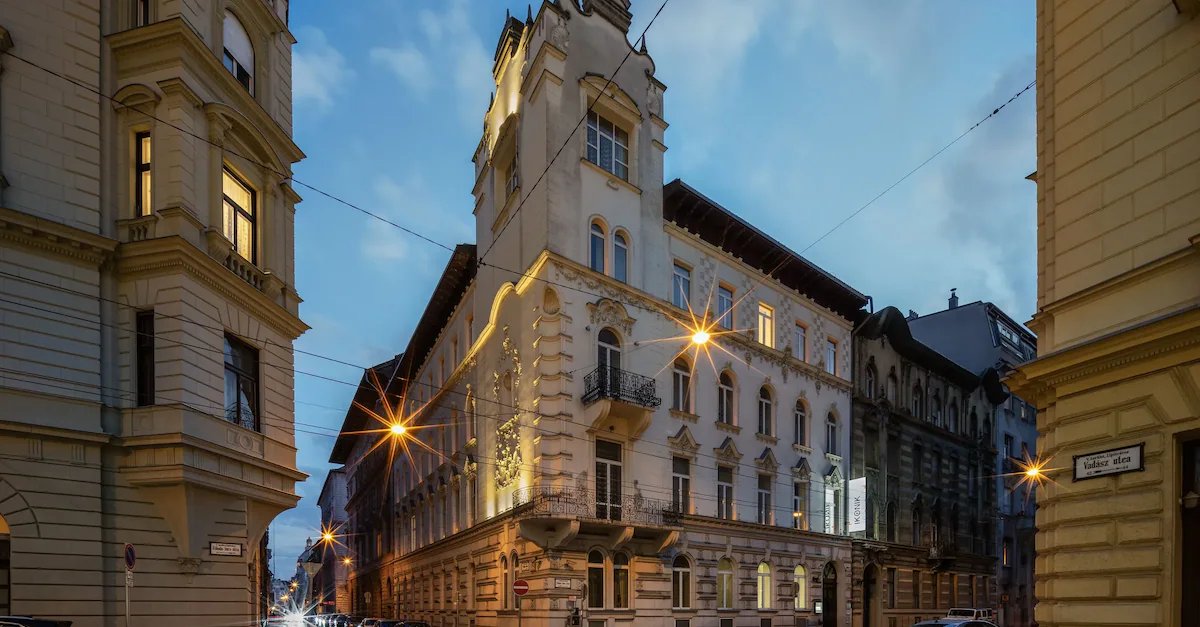
Serviced apartments in the heart of the Jewish Quarter, popular with groups visiting the shooting range together.
A hostel-style lodge in Erzsébetváros geared toward younger travelers and groups on a budget.
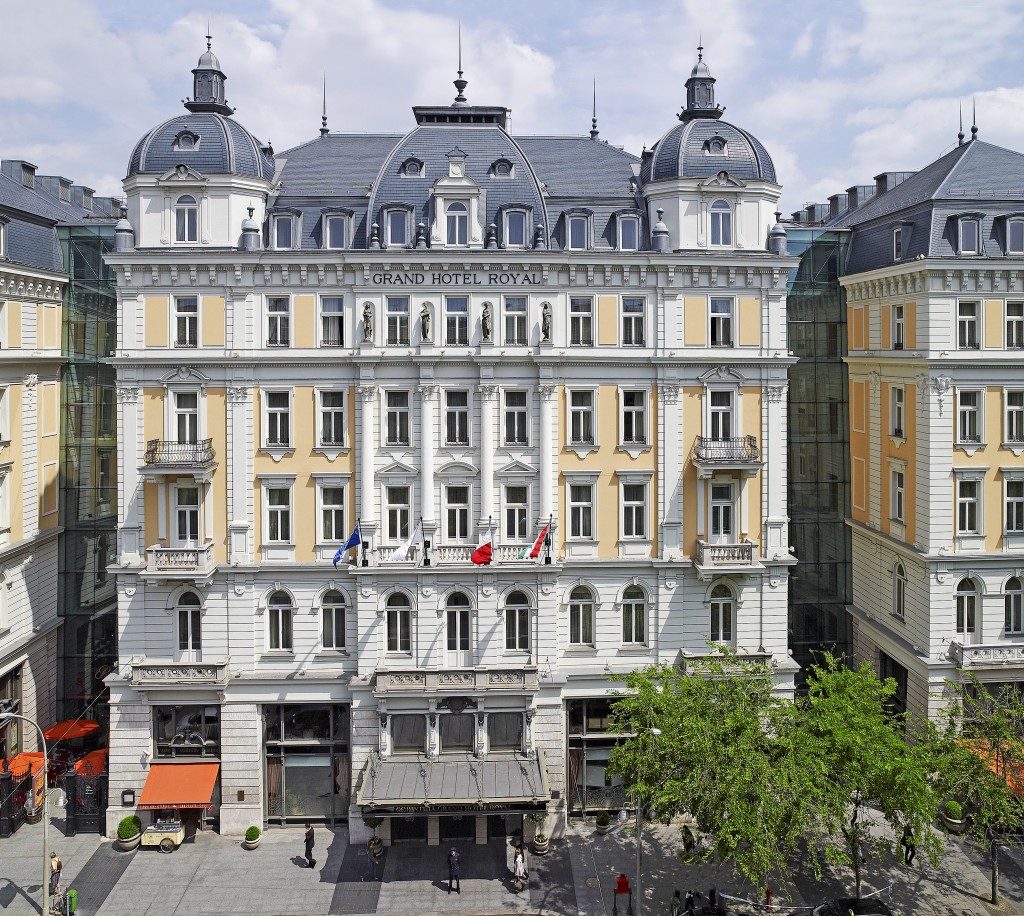
A grand historic hotel on Erzsébet körút offering full-service amenities within walking distance of the range.
Join thousands of happy travelers who have discovered this incredible experience
Book Your Experience Now